


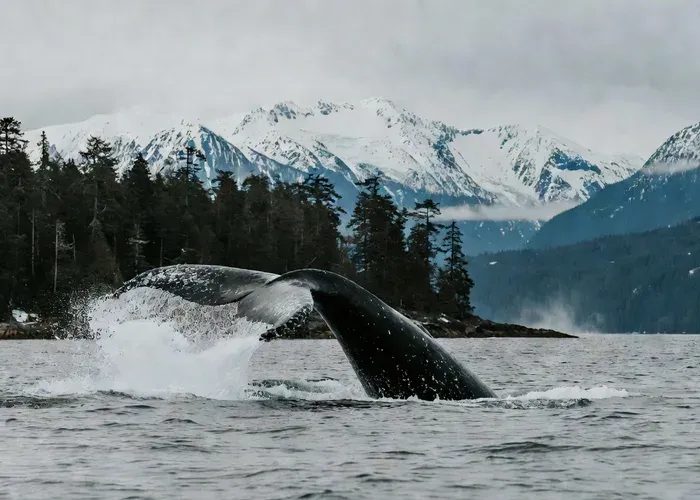
Which Juneau Whale Watching Tour Is Right for You?
| Tour type | Duration | Group size | Best for | Rating | From | |
|---|---|---|---|---|---|---|
| Dedicated Whale Watching Cruise | 3–3.5 hrs | Up to 40 | Focused whale sightings, first-timers | 4.7 | $108 | Check → |
| Whale Watching + Glacier Combo | 4–4.5 hrs | Up to 30 | Cruise passengers, glacier + wildlife in one trip | 4.5 | $151 | Check → |
| Small Group Tour | 3.5 hrs | 6–12 | Intimate experience, photography, personalized guiding | 5 | $189 | Check → |
| Private Charter | Flexible | Your group only | Families, celebrations, custom itineraries | — | $600/boat | Check → |
Whale Species & Best Months in Juneau
| Species | January–March | April–June | July–September | October–December | Likelihood |
|---|---|---|---|---|---|
| Humpback Whale | — | Arriving | Peak | Departing | ~95% Jun–Aug |
| Orca | — | Occasional | Occasional | — | ~15% |
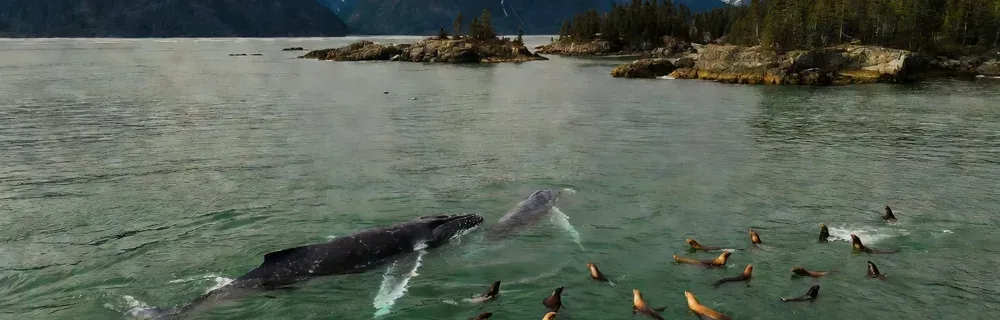
| Steller Sea Lion | — | Common | Common | — | ~80% |
| Harbor Seal | — | Common | Common | — | ~85% |
| Bald Eagle | — | Common | Common | — | ~90% |
What to Expect on the Day
Departing Auke Bay
Most tours depart from Auke Bay Harbor, 12 miles north of downtown Juneau. The harbor sits directly on the feeding grounds — humpbacks are sometimes visible before you even leave the dock. Captain briefs passengers on bubble-net feeding and what to look for.
Auke Bay is 25 minutes from downtown by taxi or Mendenhall Loop busFirst sightings
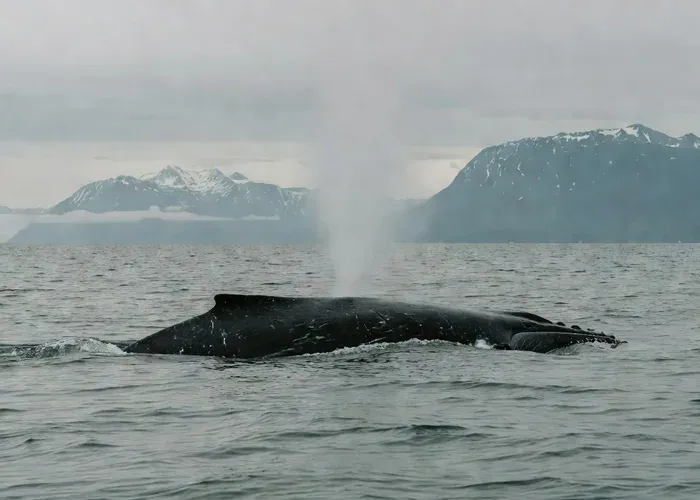
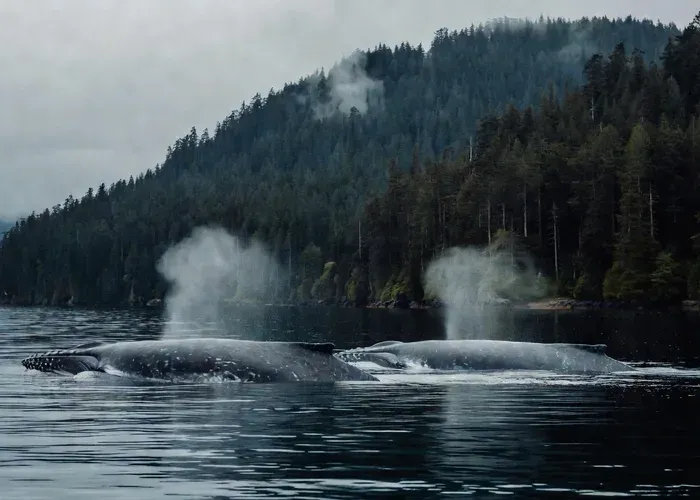
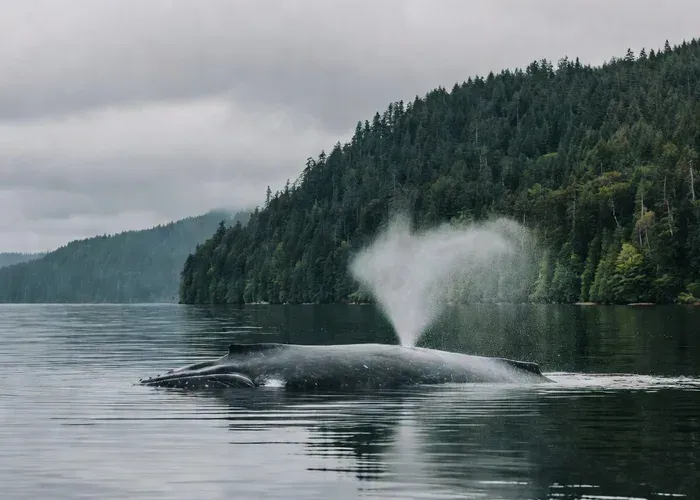
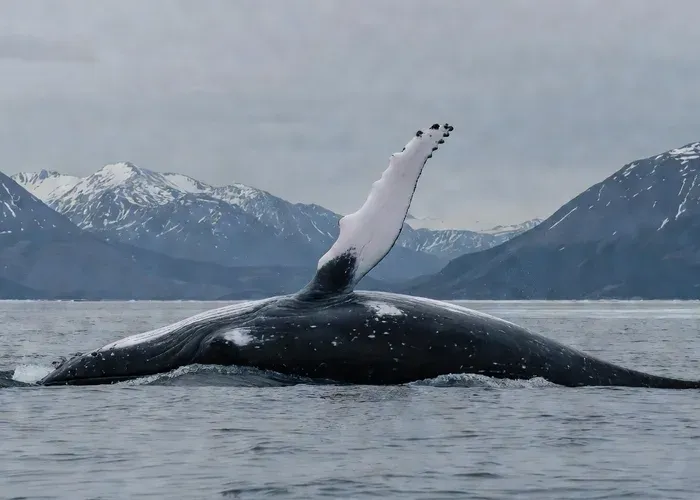
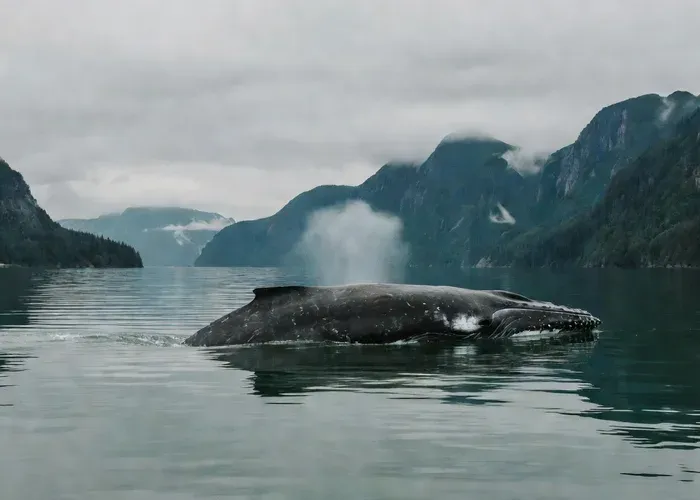
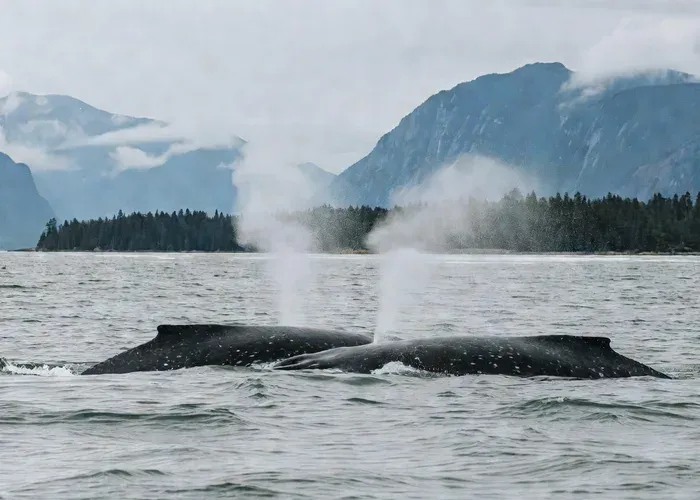
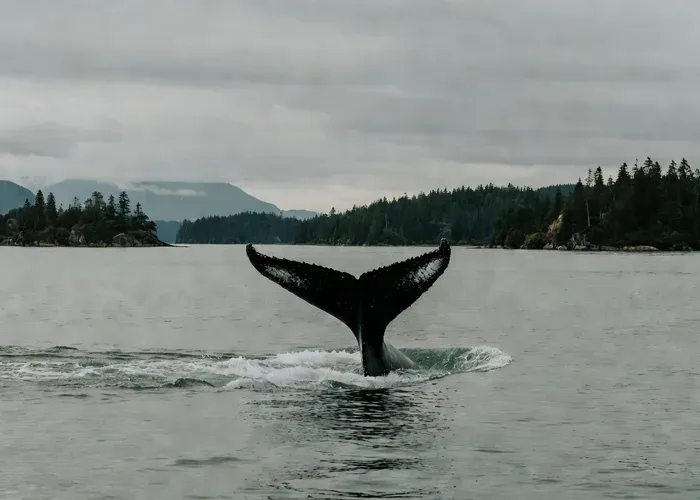
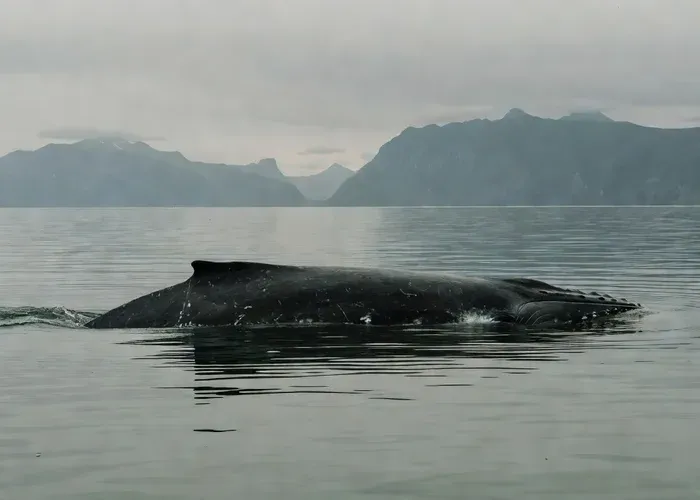
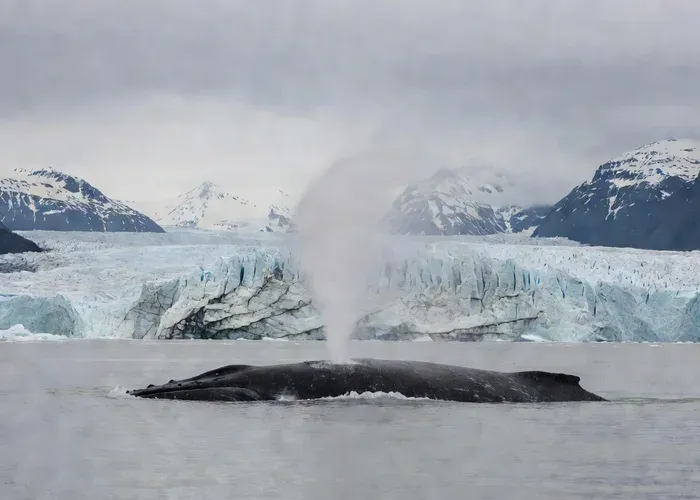
Humpback blows are visible from 1–2 miles. The crew identifies individual whales by their fluke markings. In summer, pods of 3–8 humpbacks often work together and may spend 20–40 minutes in the same area.
Watch the birds — diving murres and gulls circle above herring balls, signaling where whales will surfaceBubble-net feeding
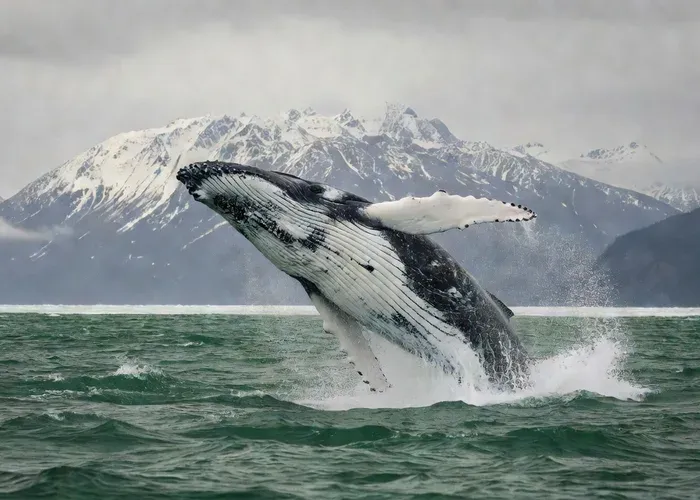
If you are lucky — and in Juneau, you often are — you will watch a group of humpbacks circle beneath a school of herring, releasing a spiral of bubbles that traps the fish. Then the whales lunge upward through the surface together, mouths wide open. This is one of the most extraordinary wildlife spectacles on Earth.
The lunge takes seconds — keep your camera up once you see birds diving and whales circling belowWildlife spotting
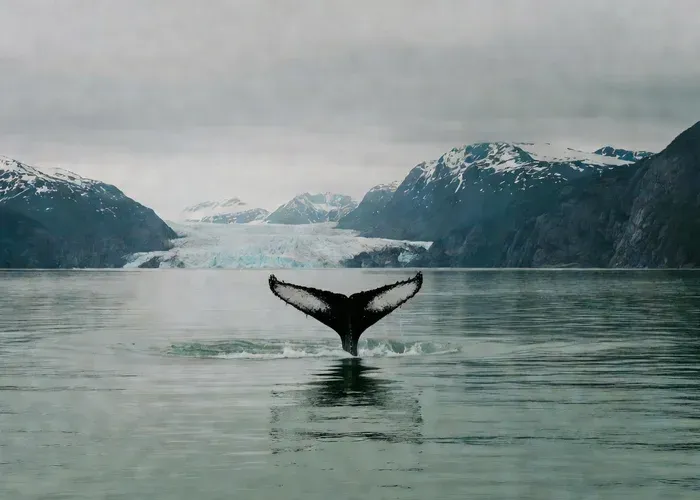
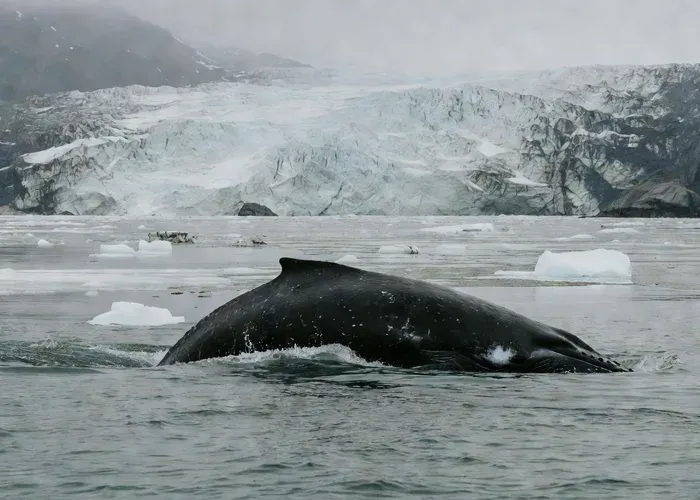
Between whale encounters, the crew looks for Steller sea lions hauled out on rocky outcroppings, harbor seals basking on ice, bald eagles overhead, and harbor porpoise bow-riding. Glacier views are visible on clear days.
Ask the naturalist about individual whale names — many in the Juneau aggregation are well-known to researchersReturn
After 3–3.5 hours, boats return to Auke Bay. Most tours provide hot drinks and snacks on board. Naturalist answers questions about whale behavior and conservation.
Download the Alaska Whale Foundation's whale ID app to match flukes from your own photosWatch: Humpback Whales in Juneau
Amazing Whale Watching in Juneau Alaska
What to Bring — and What to Leave at Home
✓ Bring
- Waterproof outer layer (Juneau averages rain on half of summer days)
- Warm mid-layer even in July (deck temperatures feel 10°F colder with wind chill)
- Polarised sunglasses
- Camera or phone with zoom lens
- Seasickness tablets if prone (Inside Passage is calm but not flat)
- Binoculars for glacier and eagle watching
- Booking voucher or confirmation email
✗ Leave at home
- Light summer clothing only — hypothermia risk is real even in August
- Drone (prohibited near whales and in many Juneau airspace zones)
- Large luggage — boat space is limited
- Expectations of warm sunshine — Juneau is a rainforest climate
Where Tours Depart From
| Port / Area | Details | Best for |
|---|---|---|
| Auke Bay Harbor | 10–12 tours | Main whale watching hub, 12 miles north of downtown, closest to feeding grounds |
| Downtown Juneau Docks | 2–3 tours | Cruise ship passengers, convenient but longer transit to whale areas |
How to Choose an Ethical Tour
What ethical operators do
- Maintain 100-yard distance from humpbacks (US federal law — MMPA)
- Engine off or idle when alongside surfacing whales
- Naturalist narrates whale behavior and research context
- Operator contributes sighting data to Alaska Whale Foundation
- No entering the water near whales
- Limit of 6 vessels per whale group at one time (voluntary code)
Red flags to avoid
- Race toward or cut off a surfacing whale
- Allow passengers to lean over railings toward animals
- No naturalist or educational context
- Chase bubble-net feeding groups to get closer
- Play whale sounds over speakers to attract animals