

Which Maui Whale Watching Tour Is Right for You?
| Boat type | Duration | Group size | Best for | Rating | From | |
|---|---|---|---|---|---|---|
| Zodiac / Raft | 2 hrs | 6–24 pax | Photographers, first-timers who want maximum impact | 4.9 | $83 | Check → |
| Catamaran | 2–2.5 hrs | Up to 100 pax | Families with children, motion-sensitive guests | 4.8 | $95 | Check → |
| Sailing Yacht | 2 hrs | 6–24 pax | Couples and small-group premium experiences | — | $120 | Check → |
| Hydrophone Raft | 2 hrs | 6–12 pax | Marine biology enthusiasts, repeat visitors | 4.9 | $89 | Check → |
Month-by-Month Guide
First humpbacks arrive mid-December. Fewer crowds and better hotel rates. Good for early-season photography with less boat traffic.
Population builds rapidly. Males singing constantly, competitive escort groups forming. Excellent breach frequency. Peak photography month.
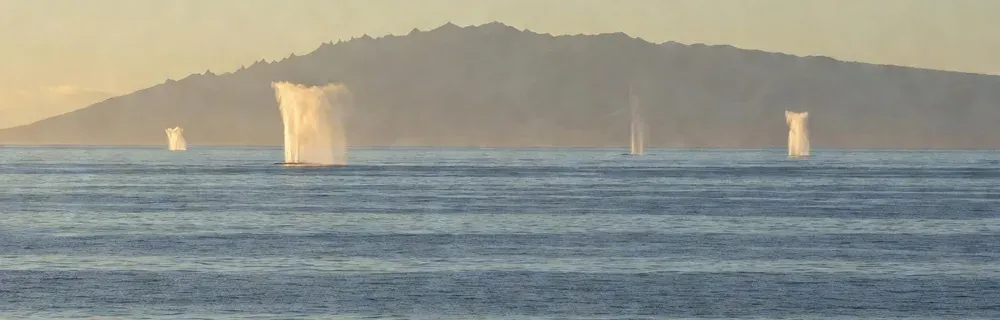
Maximum whale density — up to 10,000 humpbacks in Hawaiian waters simultaneously. Heat runs, breaching, nursing calves. Book 7–10 days ahead.
Mothers with newborn calves take center stage. Watch calves practice breaching and pec fin waves. Still outstanding sighting rates.
Whales begin their 3,000-mile migration back to Alaska. Early April still great; late April is hit-or-miss. Last chance of the season.
Which Harbor Should You Depart From?
Kihei Boat Ramp
Raft and RIB tours. Closest launch point to the Au'Au Channel whale grounds — shortest boat ride to first sighting.
Ma'alaea Harbor
Families and catamaran tours. Most sheltered harbor — best option for guests prone to motion sickness.
Lahaina Harbor
Widest choice of boat types. Historic waterfront — great for pre-tour breakfast on Front Street.
Ka'anapali Beach
Ka'anapali resort guests. Walk directly from your hotel to the boarding area.
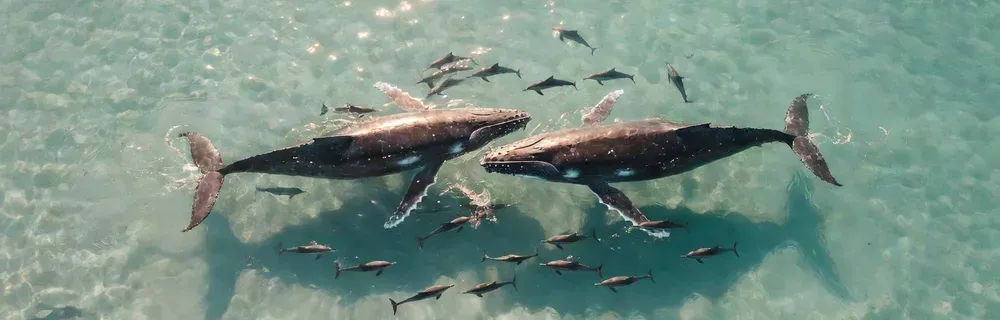
Whale Species & Best Months in Maui
| Species | January–March | April–June | July–September | October–December | Likelihood |
|---|---|---|---|---|---|
| Humpback Whale | Peak | Departing | — | Arriving | ~95–98% |
| Spinner Dolphin | Common | Common | Common | Common | Year-round |
| Bottlenose Dolphin | Occasional | Occasional | Occasional | Occasional | ~30% |
What to Expect on the Day
Arrival
Check in at your departure harbor (Kihei, Lahaina, Ma'alaea or Ka'anapali) 20–30 min before departure. Crew checks names and issues life-jacket instructions.
Park early — harbor lots fill quickly Jan–MarSafety briefing
Captain and naturalist give a quick safety overview and explain marine sanctuary rules — 100-yard minimum distance from whales, no swimming near cetaceans.
Good time to ask about hydrophone use if your boat has oneHeading out
The boat leaves the harbor and moves toward the Au'Au Channel between Maui and Lānaʻi — the highest-density whale area. Travel time is typically 5–15 min.
Humpbacks are often spotted breaching even from the harbor entrance in Jan–FebFirst sighting
Crew spot humpbacks from elevated lookouts. Captain reduces speed and approaches within the legal 100-yard distance. Naturalist narrates behaviour in real time.
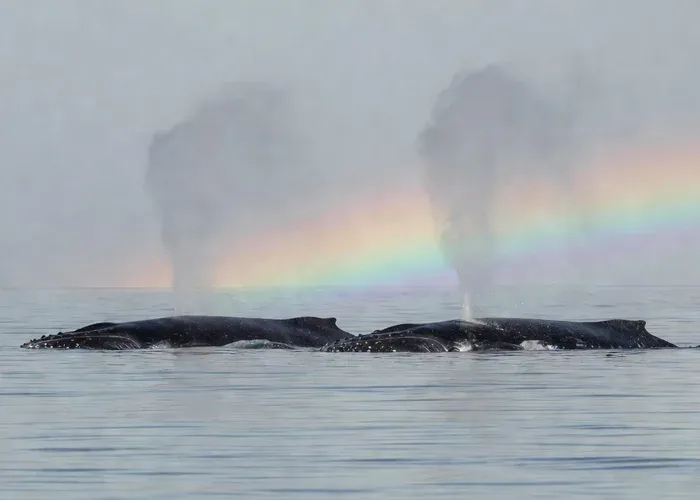
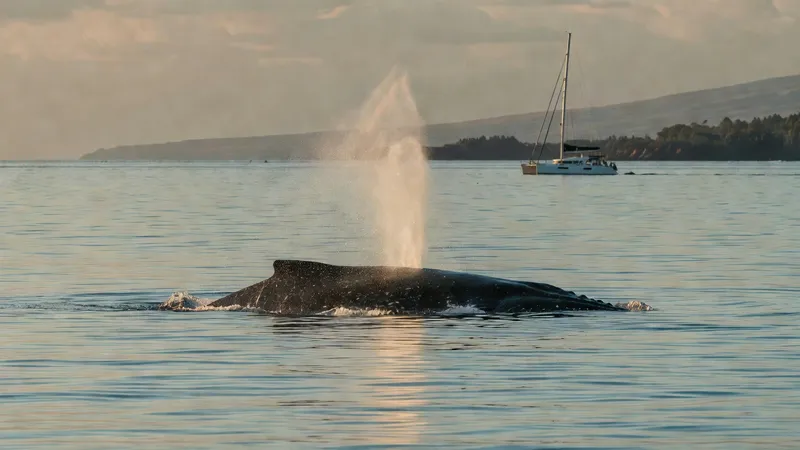
Watch for the tall blow (15–20 ft) before you see the whale itselfObservation
Typically 15–30 minutes near one whale or pod. You'll see behaviours like breaching, pec-slapping, spy-hopping and fluking. Hydrophone tours play underwater song.
Keep your camera ready and in burst mode — breaches are fastMultiple sightings
Most tours locate 3–5 whales during a single trip. If the first pod surfaces and dives, the boat moves on to find another.
Peak Jan–Feb: 15+ whales may be visible simultaneouslyReturn
After 2–3 hours on the water the boat returns to harbor. Most operators provide a free rebooking voucher if no whale was seen (extremely rare in Jan–Feb).
Tip the crew — they often spot animals others missHumpback Whale Behaviors to Watch For
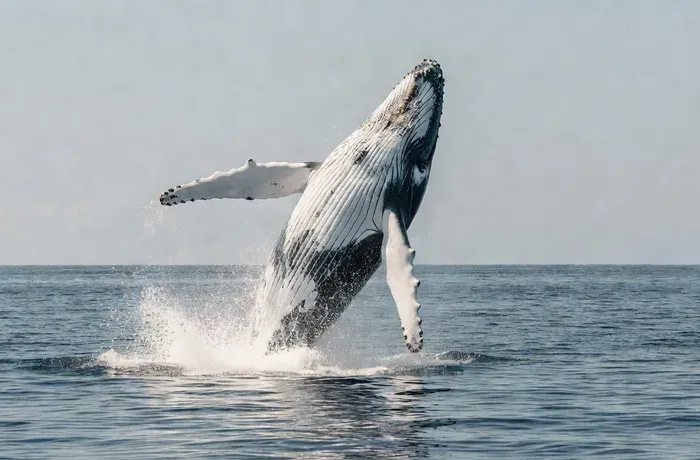
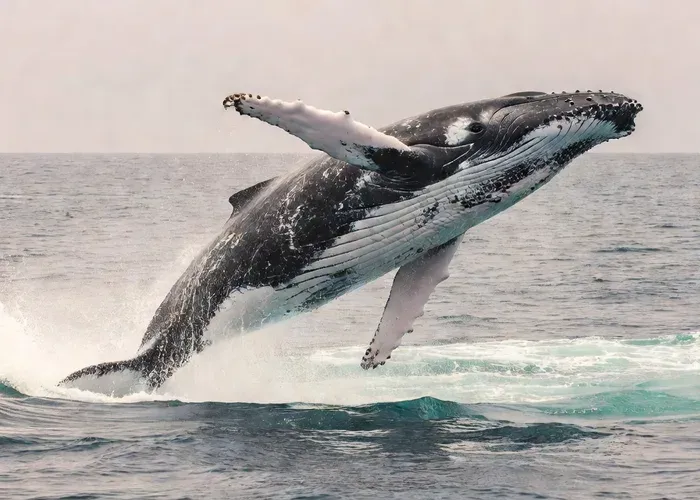
The iconic move — a 40-ton whale launches 40+ feet completely out of the water, twists mid-air, and crashes back with a thunderous splash. Humpbacks breach more than any other large whale species.
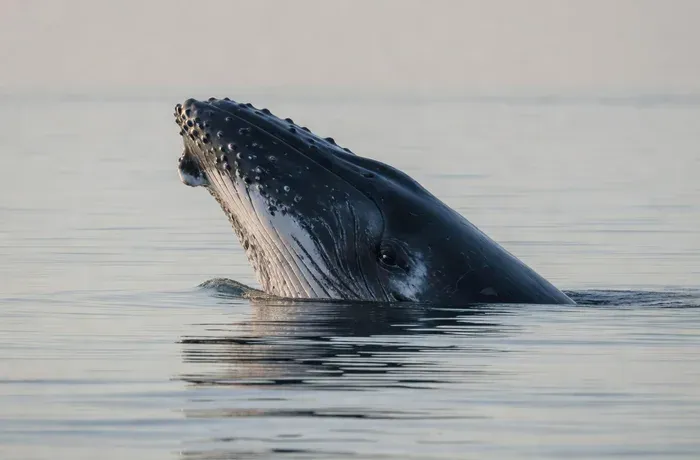
The whale rises vertically, holding its head above the surface for several seconds — literally having a look around. Eyes become briefly visible. Usually done near boats, possibly out of curiosity.
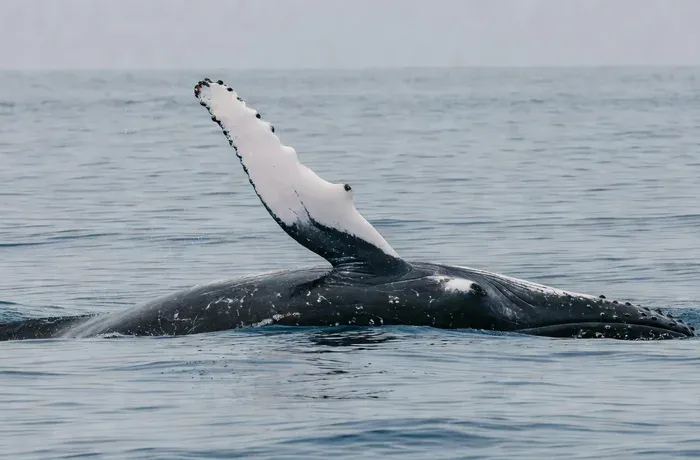
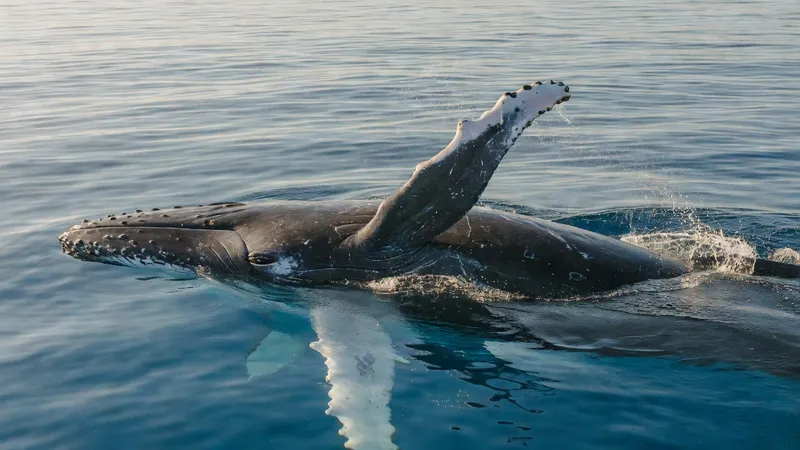
The whale rolls sideways and repeatedly slaps a 15-foot white pectoral fin on the surface, producing a loud crack that carries underwater for miles. Thought to be a social or communicative display.
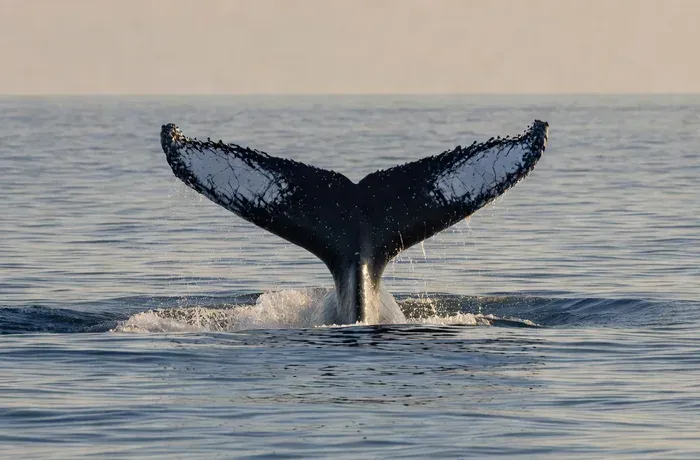
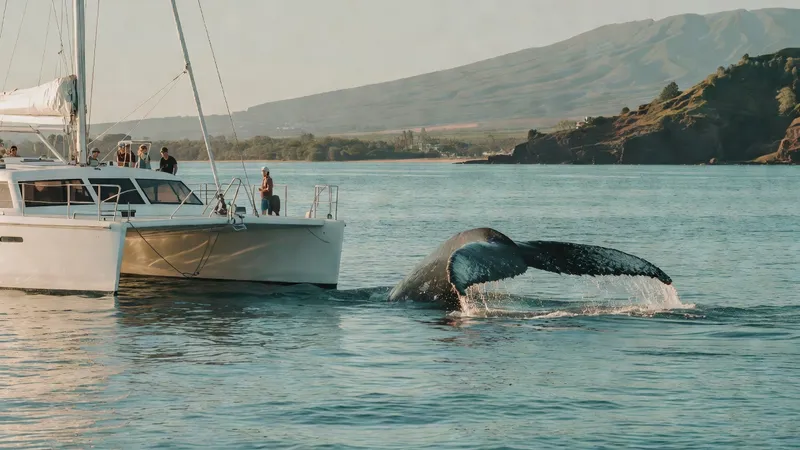
The classic postcard shot — a clean tail-up dive as the whale descends. Every humpback has a unique fluke pattern (like a fingerprint), used by researchers for individual identification.
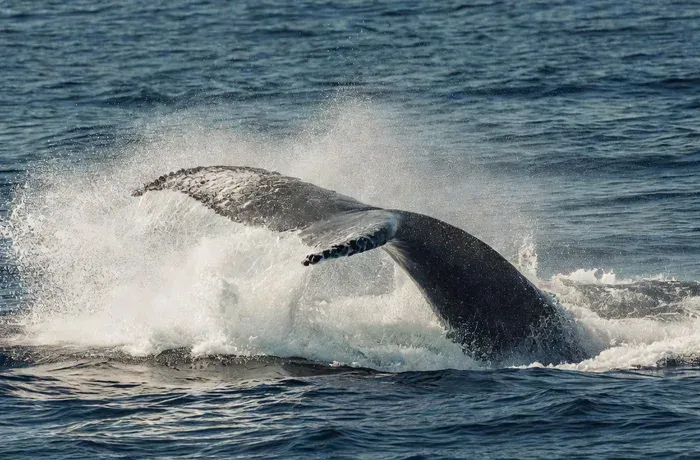
The tail stock is raised and slapped forcefully onto the surface in a sideways motion. Often seen during competitive male behaviors or as a warning signal.
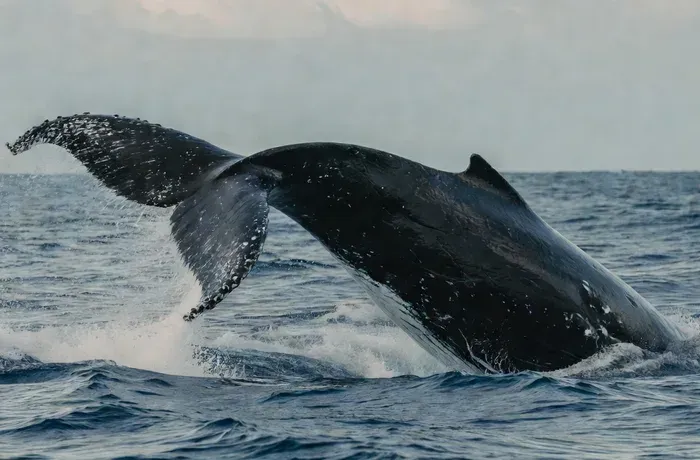
The whale arches its tail stock (peduncle) out of the water and slams it sideways with force. Typically seen during competitive escort behaviors when males challenge each other.
Watch: Humpback Whales in Maui
Best Breaching Humpback Whale Footage from Maui 2025
What to Wear on a Whale Watching Tour in Maui
Maui whale season runs December–April — warm on land (75–82°F), but 8–10°F cooler at sea with real ocean spray. What you wear depends entirely on your boat type.
- → Guaranteed Whale-Watching Tour by Raft from Kihei
- → Super Raft Whale-Watching Tour with Hydrophone
- → Eye-Level Whale-Watching Raft Tour from Lahaina
- Quick-dry shorts and shirt (synthetic, not cotton)
- Water shoes or secure sandals
- Waterproof phone case or dry bag
- Leave your camera bag ashore — salt spray is guaranteed
- Reef-safe SPF 50+ (Hawaii law — not optional)
- Polarised sunglasses on a cord
- → Ka'anapali Beach Whale-Watching Cruise with Open Bar
- → Whale Watching Aboard the Quicksilver Catamaran
- → Catamaran Whale-Watching Tour – Ali'i Nui Sailing
- Light layers — a hoodie or long-sleeve shirt for morning departures
- Sneakers or sandals (no heels on a moving deck)
- Reef-safe SPF 50+ (Hawaii law)
- Polarised sunglasses
- Small daypack is fine — lockers usually available below deck
Skip anything you would mind losing overboard or getting salt-stained. Leave valuables, heavy SLR rigs, and single-use plastics at the hotel.
What to Bring — and What to Leave at Home
✓ Bring
- Reef-safe sunscreen (required in Hawaii)
- Polarised sunglasses
- Light jacket or hoodie (it gets breezy at sea)
- Camera or phone in a waterproof case
- Refillable water bottle
- Seasickness tablets if you're prone
- Your booking voucher (printed or on phone)
✗ Leave at home
- Chemical sunscreen (banned near coral reefs)
- Large hard-shell luggage
- Single-use plastic bottles
- Drones — illegal within the Marine Sanctuary
- Strong-smelling food (disturbs other guests)
Where Tours Depart From
| Port / Area | Details | Best for |
|---|---|---|
| Kihei Boat Ramp | 3–4 tours | Raft/RIB tours, closest to Au'Au Channel |
| Ma'alaea Harbor | 2–3 tours | Catamaran tours, central South Maui location |
| Lahaina Harbor | 3–4 tours | Wide choice of boat types, West Maui leeward side |
| Ka'anapali Beach | 1–2 tours | Hotel guests on West Maui coast |
How to Choose an Ethical Tour
What ethical operators do
- Maintain minimum 100-yard distance (federal law)
- Reduce engine speed when alongside whales
- Passive approach — follow whale's lead, no chasing
- Certified NOAA Watch Smart operators
- Carry naturalist or marine biologist
- No feeding, no swimming near whales
Red flags to avoid
- Approach closer than 100 yards (100-yard buffer is federal law)
- Rev engines or accelerate aggressively near whales
- Circle around surfacing animals
- Allow guests to attempt swimming near whales
- No educational component or naturalist on board