Destinations By species Season guide Blog
Browse all tours →

44 destinations · Free cancellation

Mirissa Harbour · Southern Province · Sri Lanka

Mirissa Whale Watching — Blue Whales off the South Coast

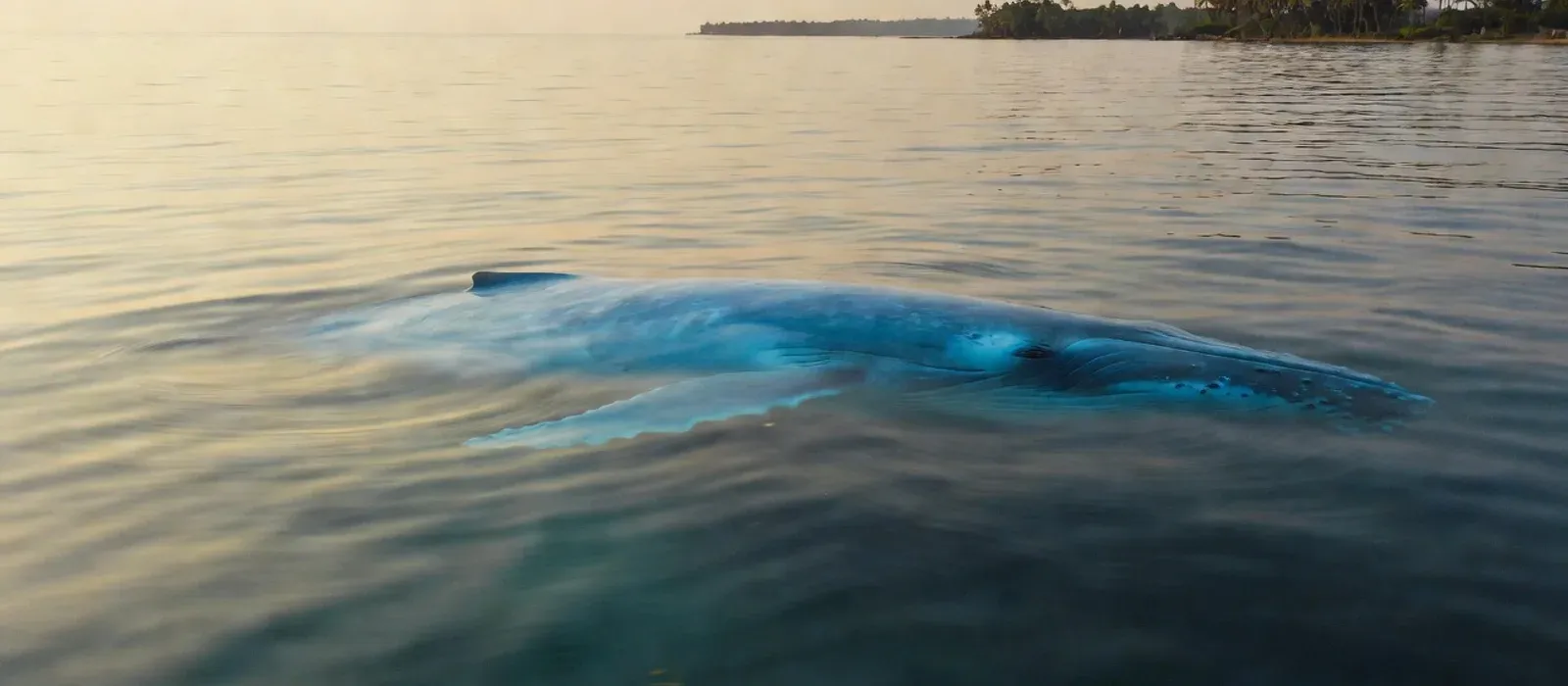
Mirissa is the blue whale capital of the Indian Ocean. From November through April, blue whales — the largest animals ever to live on Earth — gather in the deep-water feeding grounds 20–30 kilometres offshore from this small south coast harbour, drawn by the dense krill concentrations that the northeast monsoon drives to the surface. Sighting rates for blue whales here consistently run above 90 percent in January, February, and March. Nine tours here cover the full range of the Mirissa experience: a $20 shared boat with 130 reviews is at one end, a $329 private luxury sailing catamaran at the other. The same blue whales swim past both. Spinner and bottlenose dolphins are common on every trip, and sperm whales appear on roughly one in three peak-season outings. Mirissa Stacked Harbour — named for the stacked fishing vessels at low tide — is the departure point for all tours, a short walk from the main beach.

Blue whale capital of the Indian Ocean Season: November to April From $20 per person 90%+ sighting rate in peak season Small fishing harbour — quick offshore transfer

Check Availability

From $20 Lowest price
4.9★ Top-rated tour
90%+ Peak season sighting rate
Jan–Mar Prime blue whale months
130 Reviews on budget boat

Whale Watching Tours in Mirissa

Mirissa: Blue Whale Watching and Turtle Snorkeling Combo Tour whale watching MirissaTop Pickfrom $71

Mirissa: Blue Whale Watching and Turtle Snorkeling Combo Tour

★★★★★4.9(69 reviews)·3–4 hrs
  • Free cancellation up to 24 hours before
  • Certified naturalist commentary on board
  • Instant confirmation via email
Check Availability →
Mirissa: Whale and Turtle Watching Boat Tour whale watching Mirissafrom $75

Mirissa: Whale and Turtle Watching Boat Tour

·3–4 hrs
  • Free cancellation up to 24 hours before
  • Certified naturalist commentary on board
  • Instant confirmation via email
Check Availability →
Mirissa: Whale and Dolphin Watching Cruise with Geeth's Crew whale watching Mirissafrom $20

Mirissa: Whale and Dolphin Watching Cruise with Geeth's Crew

★★★★★4.1(130 reviews)·3–4 hrs
  • Free cancellation up to 24 hours before
  • Certified naturalist commentary on board
  • Instant confirmation via email
Check Availability →
Mirissa: Whale, Dolphin and Snorkeling Tour whale watching Mirissafrom $150

Mirissa: Whale, Dolphin and Snorkeling Tour

·3–4 hrs
  • Free cancellation up to 24 hours before
  • Certified naturalist commentary on board
  • Instant confirmation via email
Check Availability →
Mirissa: Whale Watching on a Private Luxury Yacht whale watching Mirissafrom $225

Mirissa: Whale Watching on a Private Luxury Yacht

★★★★★4.5·3–4 hrs
  • Free cancellation up to 24 hours before
  • Certified naturalist commentary on board
  • Instant confirmation via email
Check Availability →
Mirissa: Whale and Dolphin Watching Boat Tour with Breakfast whale watching Mirissafrom $28

Mirissa: Whale and Dolphin Watching Boat Tour with Breakfast

★★★★★4.1(28 reviews)·3–4 hrs
  • Free cancellation up to 24 hours before
  • Certified naturalist commentary on board
  • Instant confirmation via email
Check Availability →
Mirissa: Whale Watching, Snorkeling and Coconut Hill Tour whale watching Mirissafrom $189

Mirissa: Whale Watching, Snorkeling and Coconut Hill Tour

★★★★★5(2 reviews)·3–4 hrs
  • Free cancellation up to 24 hours before
  • Certified naturalist commentary on board
  • Instant confirmation via email
Check Availability →
Mirissa: Luxury Sailing Boat Dolphin and Whale Watching whale watching Mirissafrom $329

Mirissa: Luxury Sailing Boat Dolphin and Whale Watching

★★★★★5·3–4 hrs
  • Free cancellation up to 24 hours before
  • Certified naturalist commentary on board
  • Instant confirmation via email
Check Availability →
Mirissa Whale Watching Tour from Colombo — Ocean Giants whale watching Mirissafrom $91

Mirissa Whale Watching Tour from Colombo — Ocean Giants

★★★★★5·3–4 hrs
  • Free cancellation up to 24 hours before
  • Certified naturalist commentary on board
  • Instant confirmation via email
Check Availability →

Types of Whale Watching in Mirissa

Private Yacht and Activity Combos (From $91–$189)
Mid-range private options: t9 (Ocean Giants from Colombo, 5.0★, $91) includes hotel transfer from Colombo for visitors not staying on the south coast. T7 (Whale Watching + Snorkeling + Coconut Hill, 5.0★, $189) adds both snorkeling and a guided visit to Mirissa's famous hilltop viewpoint. T4 (Whale, Dolphin and Snorkeling, $150) is a no-review new listing with a comprehensive activity package. Best for: travellers based in Colombo, or those who want a full-day activity combining ocean and land experiences.
Luxury Yacht and Sailing Catamaran (From $225–$329)
The premium Mirissa experience: t5 (private yacht, 4.5★, $225) and t8 (luxury sailing catamaran, 5.0★, $329). Private vessels carry 6–10 maximum, can position more carefully alongside a whale, and include breakfast, snorkeling, and extended time offshore. The sailing catamaran is the largest and most stable option — ideal for those concerned about seasickness on small boats. Best for: couples, honeymoons, small private groups wanting full-day exclusivity.
Which to choose? Best value for money: Blue Whale and Turtle Combo (t1, 4.9★, $71). Budget option: Geeth's Crew (t3, $20, 130 reviews). From Colombo without driving: Ocean Giants transfer tour (t9, $91). Luxury: private yacht (t5, $225) or sailing catamaran (t8, $329). New tours without reviews yet: t2 ($75, whale and turtle watching) and t4 ($150, whale, dolphin, snorkeling). Peak season (January–March) books up fast — reserve at least 3–5 days ahead for the top pick and private tours.
Aerial view of humpback whales and dolphins in Hawaiian waters on Maui whale watching tours

Whale Species & Best Months in Mirissa

Species January–March April–June July–September October–December Likelihood
Blue Whale Peak Present Seasonal November–April (peak Jan–March)
Sperm Whale Common Occasional Occasional 30–40% of peak-season trips
Fin Whale Occasional Rare Rare Irregular — Jan–March
Spinner Dolphin Common Common Common Common Year-round, large pods
Bottlenose Dolphin Common Common Common Common Year-round
The blue whales off Mirissa are among the largest concentrations of the species anywhere on Earth. These are not passing migrants — they are resident Indian Ocean blue whales (the subspecies Balaenoptera musculus indica) that return to the same deep-water feeding canyon offshore from Mirissa every November–April to exploit the northeast monsoon krill upwelling. Individual whales are identified by the mottled grey-blue patterns on their flanks; some individuals have been documented returning to Mirissa for over a decade. At up to 30 metres in length, even seeing the back of a blue whale from 100 metres is an overwhelming experience — the scale does not register as an animal until it moves. Sperm whales are also resident in these waters year-round: the distinctive angled blow to the left and the waxy wrinkled skin distinguish them from blue whales at distance.

What to Expect on the Day

1

Mirissa Harbour check-in before sunrise (5:00–5:30 AM)

Mirissa Fishing Harbour is located at the western end of Mirissa Beach, at the foot of Parrot Rock (the distinctive rocky outcrop at the harbour entrance). Operators send departure time reminders the evening before — check-in is typically 30–45 minutes before departure. The harbour is small and busy at this hour: dozens of fishing boats and whale watching vessels loading simultaneously. Have your booking confirmation visible; the harbour is simple and guides will find you.

2

Ocean crossing to the feeding grounds (20–40 minutes)

From the harbour the boat heads south-southwest into the Indian Ocean, passing Parrot Rock and Coconut Hill. The sea is usually glass-calm at this hour in peak season. As the coast recedes behind you, the first sign of whales is often a distant white column of vapour on the horizon — a blue whale blow, visible 1–2 km away. Guides scan the horizon constantly. On some days the boat encounters dolphins within minutes of leaving the harbour.

3

First blue whale sighting

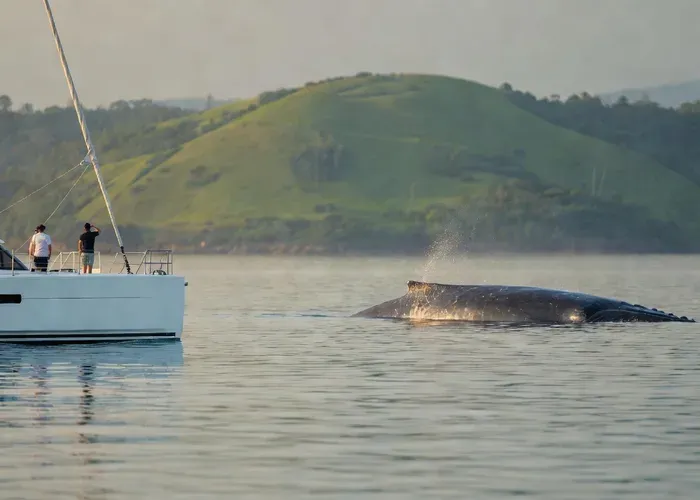
The typical first encounter: the guide spots a blow, the engine drops to idle, and the boat drifts toward the whale at slow speed to observe from 100–200 metres. Blue whales surface 3–8 times in sequence (called a surfacing series), each surfacing showing the enormous back rolling slowly out of the water, the tiny curved dorsal fin visible near the tail. Between surfacings the whale rests just below the surface for 2–10 minutes, then the back rolls out again. Eventually the whale arches its back and slides into a deep dive — if the flukes come up, it is a long deep dive; if the back just slides under, a short dive. The wait between deep dives is 10–20 minutes.

4

Dolphins and secondary wildlife

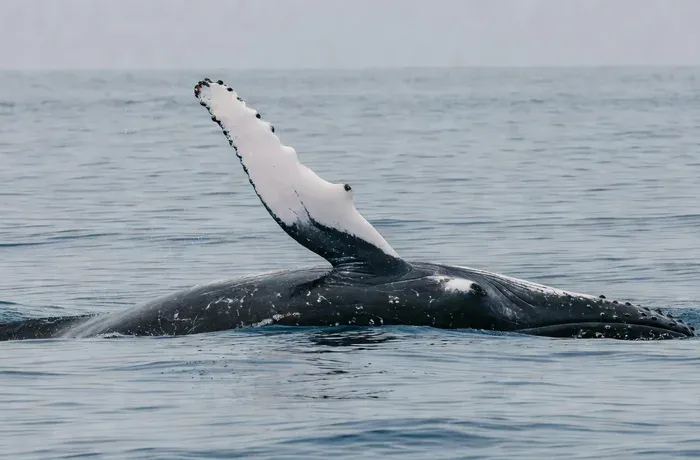
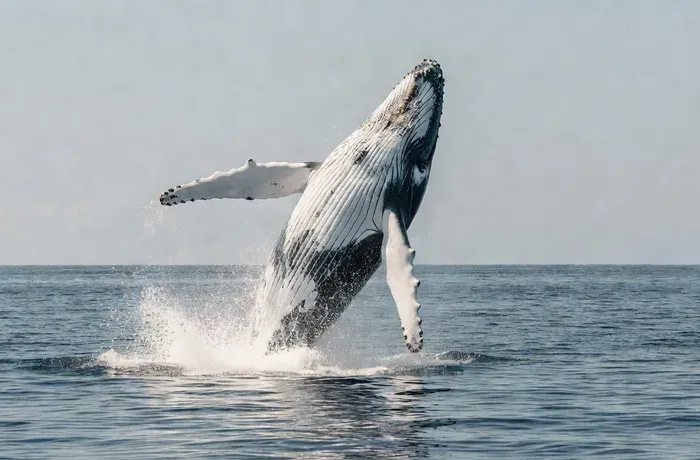
Spinner dolphins are almost guaranteed on every Mirissa trip — pods of 50–500 individuals are common, travelling rapidly and leaping in the boat's wake. Some pods ride the bow wave for extended periods. Bottlenose dolphins are also resident. If sperm whales are present, the guide will recognise the angled left-side blow immediately — sperm whale encounters are longer because these whales surface more often and are less skittish. On rare trips, a blue whale breach or pec slap is observed — these are unpredictable but documented in Mirissa waters.

5

Return and post-trip activities

Most tours return to Mirissa Harbour by 10–11 AM. The Turtle Snorkeling Combo (t1) includes a snorkeling stop on the shallow reef near the harbour on return — an excellent use of the remaining warm-water morning. Tour t7 adds Coconut Hill post-tour, a short hike above the harbour with panoramic views of the coast. By 11 AM the sun is intense — plan a simple beachside lunch and afternoon rest after the early start.

No whale sighted? Mirissa operators track whale positions daily through a network of local fishermen and previous-day observations. In peak season (January–March), blue whale sighting rates consistently exceed 90 percent. Most operators note that blue whales are present on the feeding grounds 350–360 days per year in season — it is the sea conditions, not whale absence, that prevents sightings. Some operators offer a free return trip if no large whales are seen, but this occurs on fewer than 5–10 percent of peak-season trips. Confirm the policy before booking if this matters to you.

What to Bring — and What to Leave at Home

✓ Bring

  • Light clothing — Mirissa is tropical (27–31°C), but the early morning ocean breeze at 5:30 AM can feel cool
  • Sunscreen SPF 50+ and a wide-brim hat — equatorial sun reflects intensely off a calm Indian Ocean
  • Seasickness medication if sensitive — open ocean swells can be 0.5–1.5 metres on small boats
  • Binoculars — blue whale blows are visible from 2 km and binoculars dramatically improve the experience
  • Waterproof case for your phone — ocean spray is frequent even on calm days

✗ Leave at home

  • Heavy luggage — this is an early-morning ocean trip, not an excursion; travel light
  • Strong food smells on the smaller shared boats — space and fresh air are limited
Seasickness tip: Budget shared boats (from $20) are 10–20 metre wooden fibreglass vessels that move more with Indian Ocean swells than the larger catamarans or yachts. The open ocean crossing at Mirissa can involve 0.5–1.5 metre swells at 5:30–6 AM, which builds through the morning. If you are prone to seasickness, the luxury sailing catamaran (t8, $329) or the private yacht (t5, $225) are more stable. For the budget boats: take seasickness medication the night before your trip, focus on the horizon at all times, and choose a seat at the bow or stern, not the centre.

Where Tours Depart From

Port / AreaDetails
Mirissa Fishing Harbour (Stacked Harbour) Mirissa Harbour, Mirissa 81740, Matara District, Southern Province, Sri Lanka. GPS: 5.9485° N, 80.4503° E. The only departure point for all Mirissa whale watching tours. Named 'Stacked Harbour' locally because fishing boats stack three-deep at low tide. Located at the western end of Mirissa Beach, directly below Parrot Rock and Coconut Hill. Walking distance from all Mirissa beach accommodation. Tuk-tuks from Weligama and surrounding towns take 10–20 minutes.
Mirissa is 155 km south of Colombo (2.5–3 hours) via the Southern Expressway (E01) to Pinnaduwa, then A2 coastal road. The scenic option: Sri Lanka Railways coastal train from Colombo Fort station to Weligama (stop before Matara) — 3.5–4 hours on one of Asia's most beautiful rail journeys; Mirissa is a 5-minute tuk-tuk from Weligama station. From Galle (30 km west): 30–40 minutes by bus, tuk-tuk, or taxi. From Colombo Airport to Mirissa by taxi: 2.5–3 hours, approximately LKR 8,000–12,000. Book a guesthouse in Mirissa itself for easy pre-dawn access to the harbour.

How to Choose an Ethical Tour

What ethical operators do

  • Use only licensed operators who follow the Sri Lanka Wildlife Conservation Society guidelines on whale watching
  • Maintain at least 100 metres from blue whales — their feeding requires undisturbed surfacing cycles
  • Choose operators with smaller group sizes (under 20 passengers) — less noise, more respectful encounter
  • Stay seated and quiet when the boat is alongside a whale — movement and noise disturb the animals

Red flags to avoid

  • Operators who chase or intercept feeding whales — check reviews for guide behaviour as well as sighting rates
  • Flash photography near blue whales — disruptive, especially during logging or feeding at the surface
  • Throwing food to attract dolphins — many Mirissa operators do this and it is harmful; avoid operators who do

FAQ — Whale Watching in Mirissa

When is the best time to go whale watching in Mirissa?

January, February, and March are the peak months — flat sea conditions, highest blue whale density, and sighting rates consistently above 90 percent. December and April are also good (4/5 score). November is the season opener with building activity. Mirissa whale watching is closed from May to October due to the southwest monsoon — seas become rough and tours are suspended. For June–September whale watching in Sri Lanka, go to Trincomalee on the east coast.

What is the cheapest way to go whale watching in Mirissa?

Geeth's Crew (t3) at $20 per person is the cheapest whale watching tour in Mirissa and has the most reviews (130 reviews, 4.1★). This is a shared wooden boat with 10–20 other passengers. The same blue whale feeding grounds are covered as the premium boats. At $20, Mirissa is one of the most affordable whale watching destinations in the world — comparable cost to Trincomalee and far cheaper than Iceland, Hawaii, or California.

What is the best whale watching tour in Mirissa?

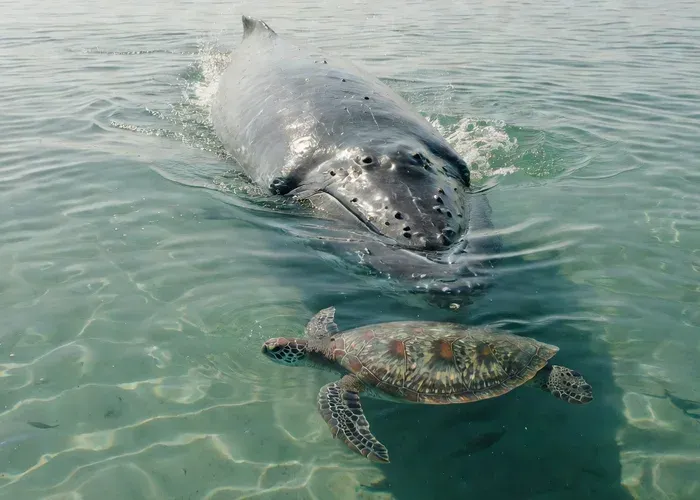
The Blue Whale Watching and Turtle Snorkeling Combo (t1, 4.9★, 69 reviews, $71) is the highest-rated tour and our top pick. After whale watching in the deep water, the tour adds a snorkeling stop to encounter green sea turtles on the shallow reef — making it a comprehensive Indian Ocean wildlife morning in a single trip. The 4.9★ rating indicates consistently excellent guiding and sightings.

Are there whale watching tours in Mirissa for families with children?

Yes — Mirissa whale watching is suitable for children from around age 5 upwards on the calmer-sea days of January and February. The budget shared boats can be rough in choppier conditions, so for families the private yacht (t5, $225) or the sailing catamaran (t8, $329) are better choices — larger, more stable, and with more space to move. Confirm the sea forecast the day before. All operators provide life jackets. Children under 12 typically pay a reduced rate — confirm with the specific operator.

How far is the whale watching area from Mirissa beach?

The blue whale feeding grounds are approximately 20–30 km offshore in a deep-water submarine canyon where the Indian Ocean floor drops sharply. The boat journey takes 20–40 minutes from Mirissa Harbour at standard cruising speed, depending on sea conditions. At calm sea speeds you can expect to be at the first sighting position within 30 minutes of departure.

Is Mirissa whale watching worth it for a first-time visitor?

Unequivocally yes. Blue whales are the largest animals that have ever lived on this planet — 30 metres long, 170 tonnes, the blow audible from 500 metres. Seeing one from 100 metres on a small boat in the warm Indian Ocean is an experience that requires no wildlife background to find extraordinary. Mirissa has some of the best access in the world: short boat ride, high sighting rates, warm water, and a range of prices from $20 to $329. If you are in Sri Lanka between November and April and have the slightest interest in ocean wildlife, do not miss it.

Not the right fit? Browse all whale watching tours across 44 destinations worldwide.

Ready to book your Mirissa whale watching tour?

9+ tours · from $20 · free cancellation · instant confirmation

See all tours →