Which Monterey Whale Watching Tour Is Right for You?
| Boat type | Duration | Group size | Best for | Rating | From | |
|---|---|---|---|---|---|---|
| Fast Offshore Boat | 3–4 hours | Large shared group | Maximum whale-spotting range | 4.7 | $62 | Check → |
| Catamaran | 3 hours | Large shared group | Families and motion-sensitive guests | 4.8 | $75 | Check → |
| Small Group Research Vessel | 4–5 hours | Max 6 passengers | Photographers and serious wildlife watchers | 4.7 | $205 | Check → |
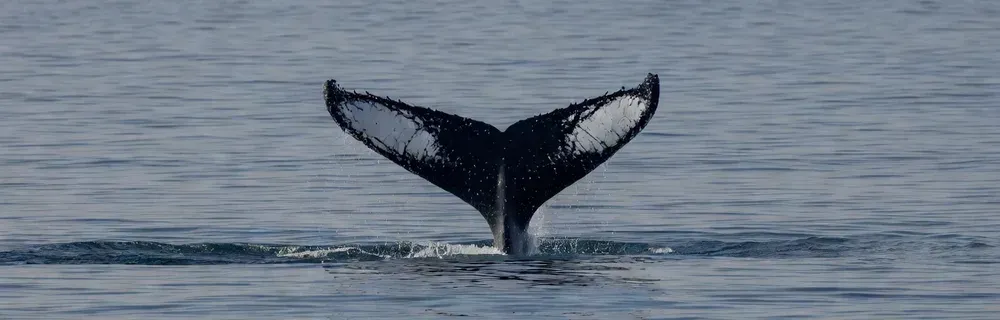
Whale Species & Best Months in Monterey
| Species | January–March | April–June | July–September | October–December | Likelihood |
|---|---|---|---|---|---|
| Humpback Whale | — | Arriving | Peak | Common | ~80% |
| Blue Whale | — | Rare | Peak | Present | ~50% |
| Gray Whale | Peak | Departing | — | Arriving | ~70% |
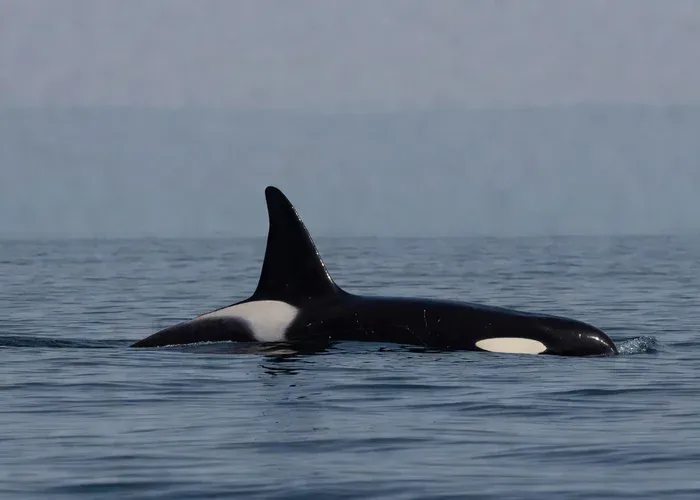
| Orca | Present | Present | Present | Present | ~30% |
| Risso's Dolphin | Common | Common | Common | Common | Very High |
What to Expect on the Day
Departure
Tours depart from Fisherman's Wharf, Monterey. Check in 30 minutes before departure. Naturalist briefs the group on cetacean biology, Monterey Bay ecology, and what to look for.
Try the clam chowder in a bread bowl before or after — Fisherman's Wharf is famous for itHeading out
The boat heads across the bay toward the submarine canyon edge, where upwelling is strongest. Travel time to first whale area: 20–45 minutes depending on conditions.
Watch for sea otters and harbor seals near the wharf — commonly seen before leaving the bayBlue whale search
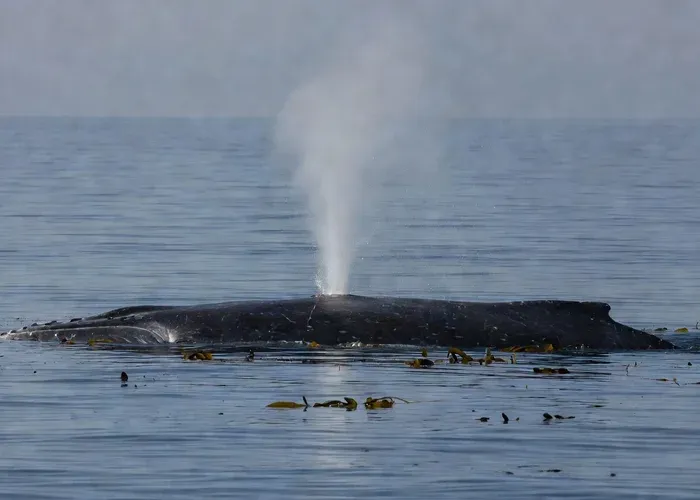
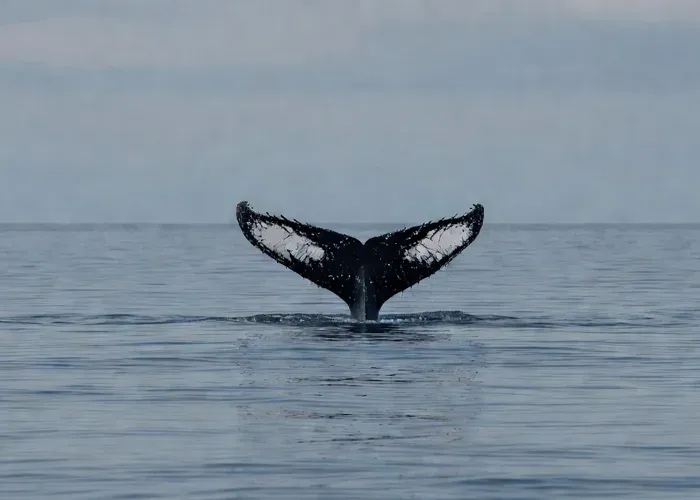
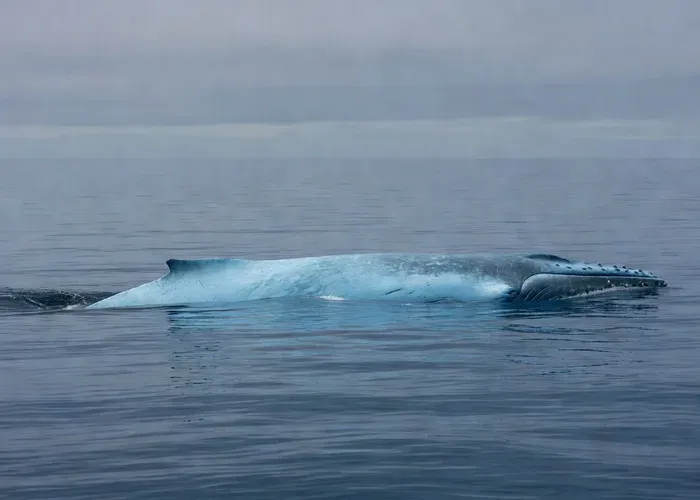
Blue whale feeding is surprisingly subtle — they surface every 10–20 minutes, blow high, then flukes on a deep dive. Naturalist reads ocean surface for krill reddening and watches for the distinctive 26-foot blow.
A blue whale's blow is straight and very tall — visible 1–2 km away on a calm dayHumpback encounter
Humpbacks are more active and dramatic — frequent breaches, pec-slapping and bubble-net feeding are regularly observed in the bay.
Bubble-net feeding (where humpbacks herd fish into a tight column using a spiral of bubbles) is one of the most extraordinary cetacean behaviours you can witnessMultiple sightings
A typical summer trip sees 3–8 individual whales across 2–4 species. When blue and humpback whales are feeding in the same krill patch, simultaneous sightings of different species are common.
Ask the naturalist to estimate whale size — blue whales look large even alongside the boatReturn
After 3–4 hours on the water, the boat returns to Fisherman's Wharf. Most operators post trip reports and photos online after each tour.
Check the operator's website for recent trip reports before booking to see what's active right nowWatch: Humpback Whales in Monterey
Epic Whale Watching Tour in Monterey Bay (Orcas!)
What to Bring — and What to Leave at Home
✓ Bring
- Warm layers — Monterey Bay is cold even in summer (average 14–17°C year-round)
- Windproof outer jacket
- Sunglasses and reef-safe sunscreen
- Camera with optical zoom (blue whales are massive but move fast)
- Seasickness tablets
- Light snack and water (tours are 3–4 hours)
- Binoculars if you have them
✗ Leave at home
- Light summer clothing — you will be cold on the water
- Single-use plastic (many MBNMS operators prohibit it)
- Drones (prohibited in Monterey Bay National Marine Sanctuary)
- Large bags that won't fit in boat storage
Where Tours Depart From
| Port / Area | Details | Best for |
|---|---|---|
| Fisherman's Wharf, Monterey | 3–4 tours | All main operators depart from here |
| Santa Cruz Municipal Wharf | 1 tour | Semi-private small-group tours |
How to Choose an Ethical Tour
What ethical operators do
- Cut engine when alongside whales
- Maintain minimum distance (usually 100m+)
- Limit observation time per animal
- Hold Blue Flag or WWSA certification
- Carry a naturalist or marine biologist
- Enforce no-feeding rules
Red flags to avoid
- Race toward animals or chase pods
- Allow multiple boats to surround a whale
- Permit swimming with wild cetaceans
- No certification or conservation messaging
- No educational component on board
- Unusually low price with no information