Which Oahu Whale Watching Tour Is Right for You?
Month-by-Month Guide
First humpbacks arrive offshore. Fewer crowds and better pricing. Sighting rates around 70–75%. Good for early-season visitors who want the experience without peak-season logistics.
Whale population builds rapidly. Competitive male behaviors — heat runs, breaching, pec-fin displays — ramp up. Sighting rates climb to 85%+. Book a week ahead.
Maximum offshore whale activity. Heat runs, nursing calves, constant breach displays. The best month for wildlife photography from Oahu tours. Book 5–7 days in advance.
Mothers with newborn calves. Calves practicing breaching and fin waves alongside adults. Still outstanding sighting rates. Slightly fewer crowds than February.
Early April is still very good. Whales begin their 3,000-mile return migration to Alaska through the month. Late April is hit-or-miss depending on how quickly the population disperses.
Last humpbacks of the season. Oahu's May season extends slightly longer than Maui — some late-migrating animals remain offshore into mid-May. Lowest prices and smallest tour groups.
Which Harbor Should You Depart From?
Kewalo Basin Harbor
Waikiki and central Honolulu hotel guests. The most convenient departure for visitors without a rental car — Uber and TheBus both stop nearby.
Ko Olina Small Boat Harbor
Ko Olina, Kapolei and west-side resort guests. Leeward location means calmer, more sheltered water — the better choice if you or someone in your group is motion-sensitive.
Whale Species & Best Months in Oahu
| Species | January–March | April–June | July–September | October–December | Likelihood |
|---|---|---|---|---|---|
| Humpback Whale | Peak | Departing | — | Arriving | ~80–90% |
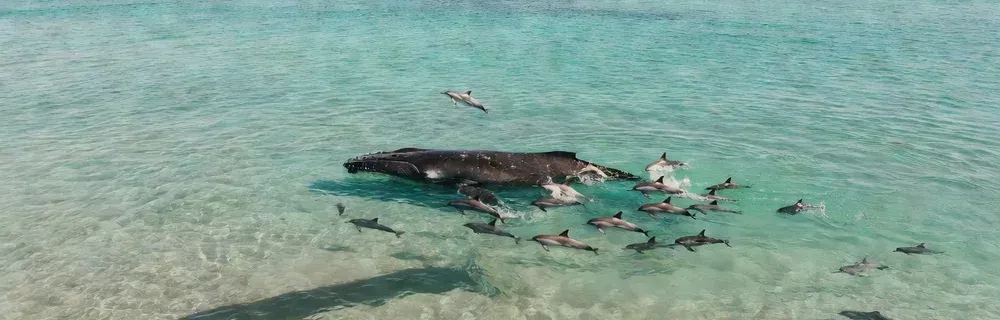
| Spinner Dolphin | Common | Common | Common | Common | Year-round |
| Bottlenose Dolphin | Occasional | Occasional | Occasional | Occasional | ~25% |
What to Expect on the Day
Arrival at harbor
Check in at Kewalo Basin (Honolulu) or Ko Olina Harbor 20–30 minutes before departure. Crew checks names and issues life-jacket instructions at the dock.
Harbor lots fill on peak-season weekends — arrive 40 minutes earlySafety briefing
Captain and naturalist cover marine sanctuary rules: 100-yard minimum approach distance, no swimming near whales, no drone use within sanctuary waters.
Good time to ask about seasickness bags — available on all vesselsHeading offshore
The catamaran leaves the harbor and heads south, passing Magic Island and Diamond Head. Whale grounds are typically 2–8 miles offshore, reached in 15–25 minutes depending on conditions.
Stay on the upper deck while heading out — the elevated view makes it easier to spot distant blowsFirst sighting
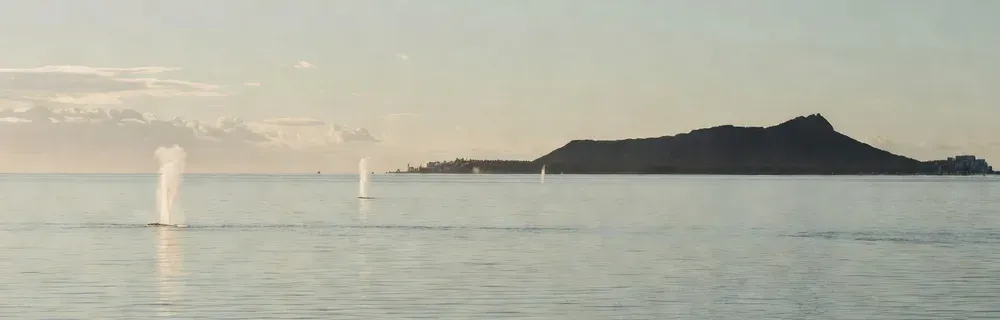
Naturalist and captain scan for the tall white blow (15–20 ft) before the body surfaces. The vessel reduces speed and approaches to within the legal 100-yard limit.
Watch for the blow first — it's visible long before the whale's body appearsObservation
Typically 15–25 minutes near one animal or group. Common behaviors include spy-hops, pec slaps, fluking dives, and breaches. Naturalist narrates in real time.
Keep your phone in burst mode — breaches last under two secondsMultiple sightings
Most tours encounter 2–4 whales during a trip. After one animal dives, the captain searches for another active group nearby.
Peak January–February: multiple pods may be visible simultaneously from the upper deckReturn to harbor
After 2–2.5 hours on the water the boat returns. Most operators provide a complimentary voucher for a future tour if no whale was sighted.
Tip the crew — they often track specific animals from prior trips for better positioningHumpback Whale Behaviors to Watch For
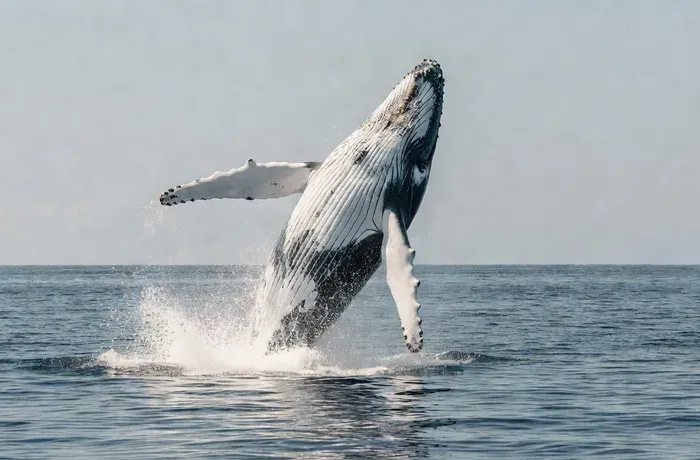
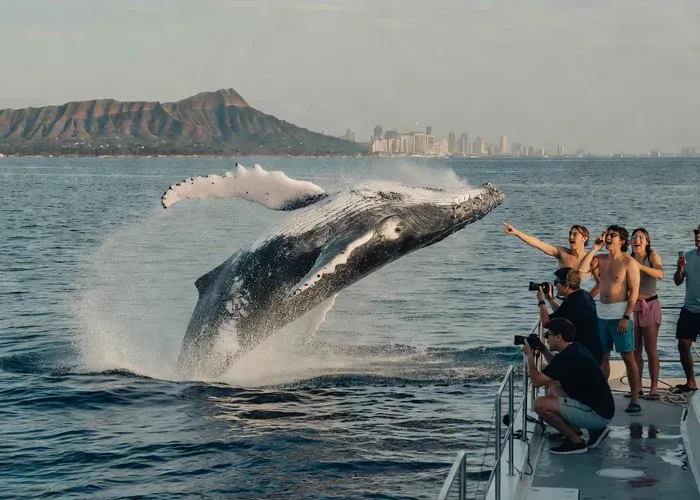
The iconic move — a 40-ton humpback launches its entire body clear of the water, twists mid-air, and crashes back with a thunderous splash audible from hundreds of yards away.
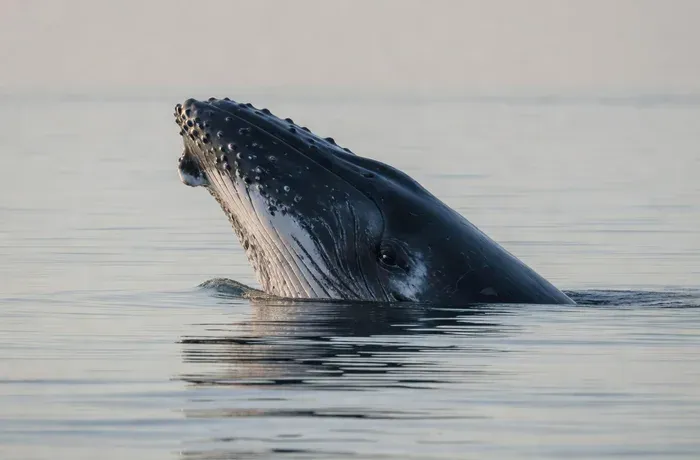
The whale rises vertically and holds its head above the surface for several seconds — literally looking around. Eyes become briefly visible. Often done near vessels, apparently out of curiosity.
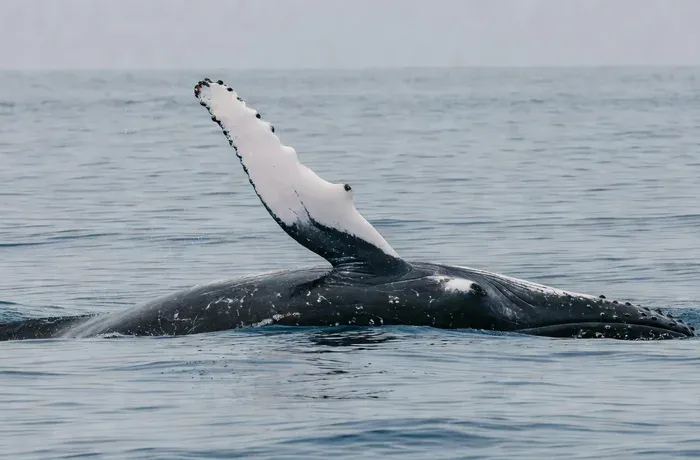
The whale rolls on its side and repeatedly slaps a 15-foot white pectoral fin on the surface. The crack carries underwater for miles — a social or communicative display between animals.
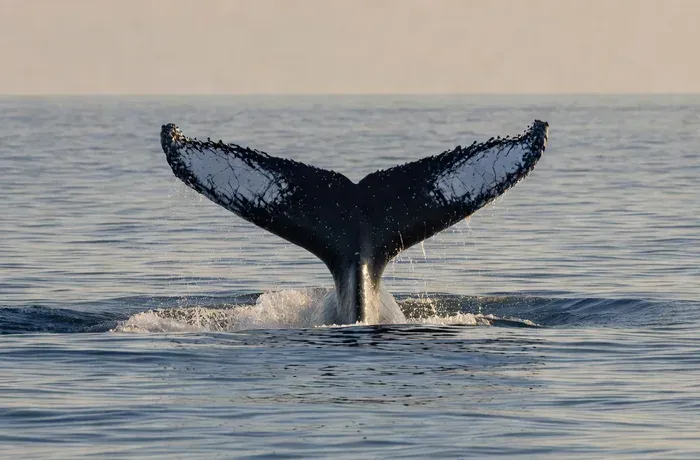
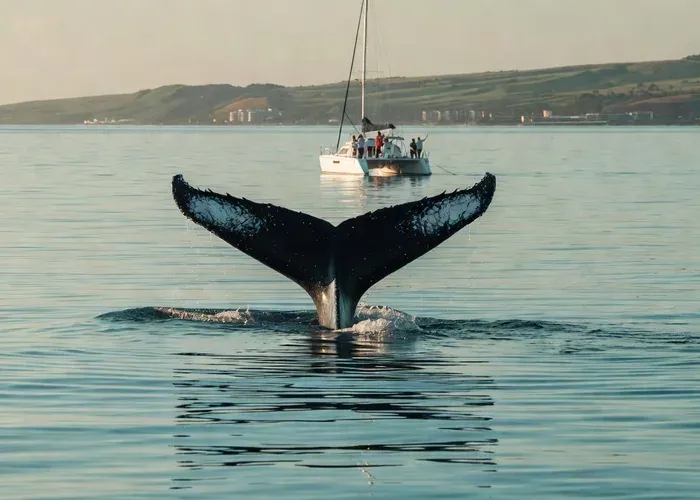
The classic whale watching image — a clean tail-up dive as the whale descends to depth. Each humpback's fluke pattern is unique, used by researchers like a fingerprint for identification.
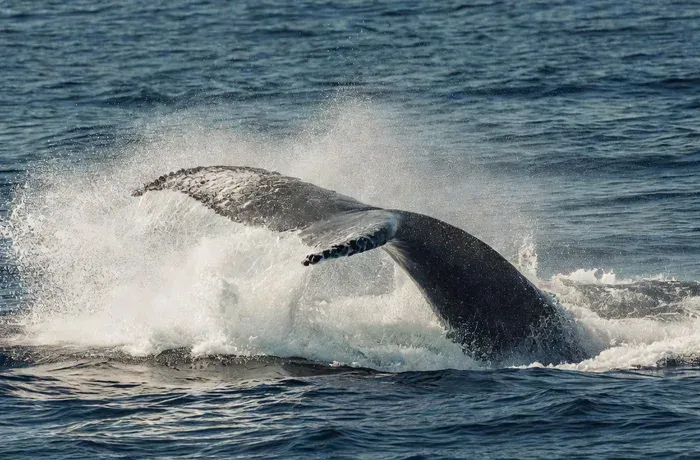
The tail stock is raised sideways and slapped forcefully onto the surface in rapid repetition. Often seen during competitive male encounters or as a communication signal between animals.
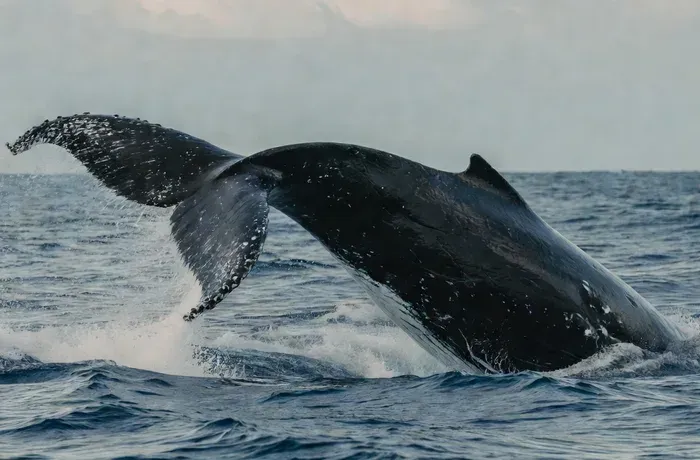
The whale arches its muscular tail stock out of the water and slams it sideways with force — typically observed when competing males challenge each other for position near a female.
Watch: Humpback Whales in Oahu
Oahu Whale-Watching Excursion
What to Bring — and What to Leave at Home
✓ Bring
- Reef-safe sunscreen (required in Hawaii)
- Polarised sunglasses
- Light jacket or hoodie (wind on the water)
- Camera or phone in a protective case
- Refillable water bottle
- Seasickness medication if you're prone
- Your booking confirmation (phone or printed)
✗ Leave at home
- Chemical sunscreen (harmful to coral reefs)
- Hard-shell luggage or large bags
- Single-use plastic bottles
- Drones — illegal within the Marine Sanctuary
- Strong-smelling food (disturbs other guests)
Where Tours Depart From
| Port / Area | Details | Best for |
|---|---|---|
| Kewalo Basin | 1 operator | Central Honolulu, Waikiki hotel guests |
| Ko Olina Harbor | 1 operator | West Oahu, Ko Olina resort guests, calmer water |
How to Choose an Ethical Tour
What ethical operators do
- Maintain minimum 100-yard distance (federal law)
- Reduce engine speed when alongside whales
- Passive approach — follow whale's lead, no chasing
- Certified NOAA Watch Smart operators
- Naturalist commentary on every tour
- No feeding, no swimming near whales
Red flags to avoid
- Approach closer than 100 yards (federal violation)
- Rev engines aggressively near surfacing animals
- Circle around whales to keep them visible
- Allow guests to attempt swimming near cetaceans
- No naturalist or educational component on board