Destinations By species Season guide Blog
Browse all tours →

44 destinations · Free cancellation

Golden Gate · Fisherman's Wharf · California

San Francisco Whale Watching Tours

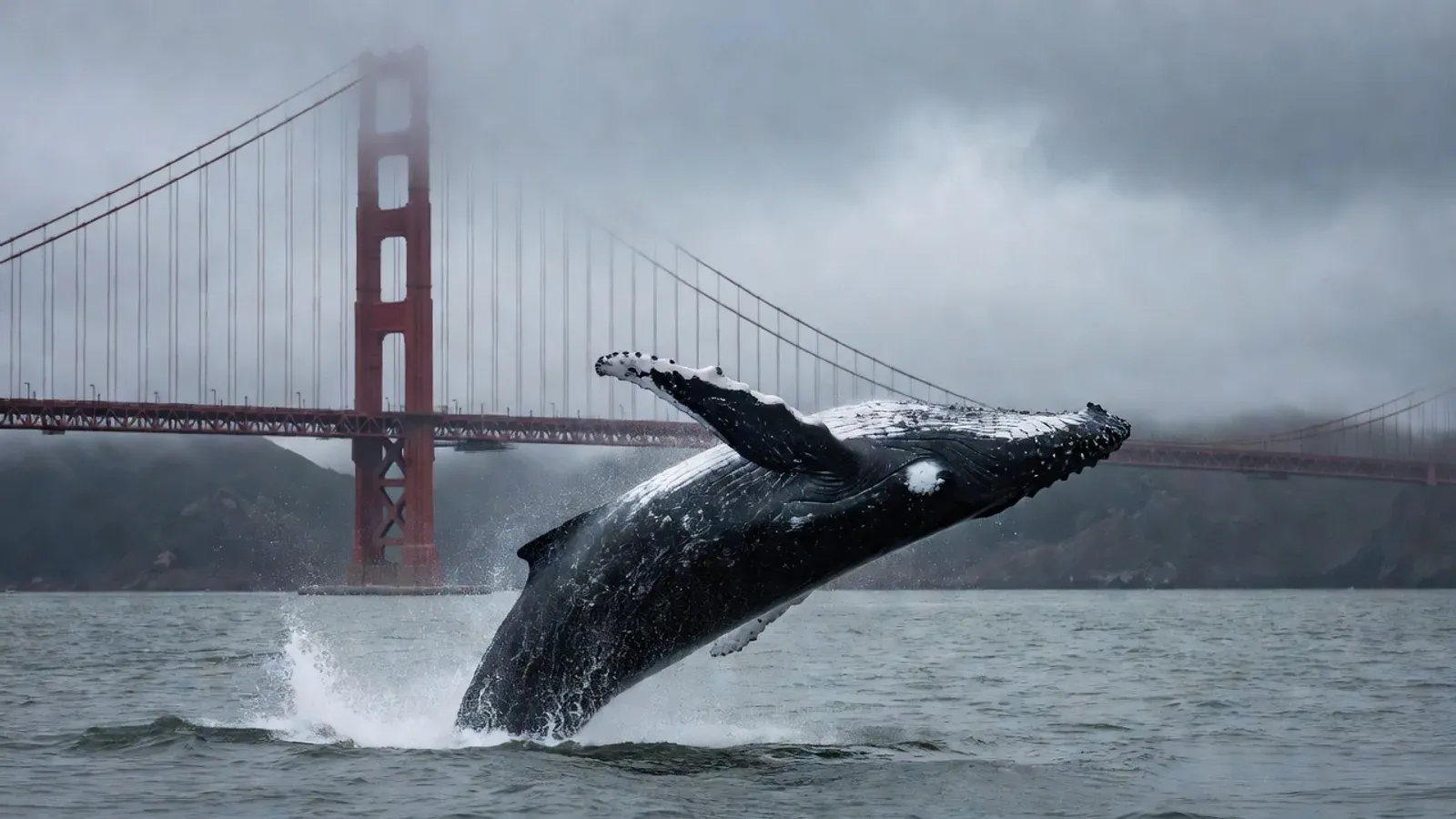
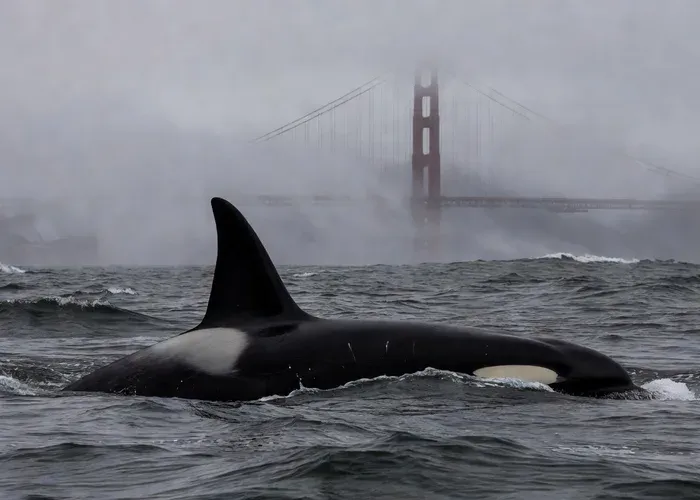
San Francisco is the only city in the world where you can watch humpback whales breach within sight of an iconic suspension bridge. Tours depart from Fisherman's Wharf and pass under or alongside the Golden Gate Bridge into the Gulf of the Farallones — a National Marine Sanctuary 27 miles offshore that supports one of the highest concentrations of marine life on the Pacific Coast. Humpback whales arrive in late spring to feed on anchovies and krill, blue whales visit in summer, and orca make rare but spectacular appearances. The combination of world-class wildlife and the most dramatic backdrop in American whale watching makes San Francisco a bucket-list destination.

Golden Gate backdrop Humpback & blue whales Fisherman's Wharf departure Marine sanctuary Free cancellation

Check Availability

3 Tours available
From $75 Lowest price
Jun–Nov Best season
4.4★ Most-reviewed tour
430+ Verified reviews

Whale Watching Tours in San Francisco

San Francisco: Whales of the Bay Cruise whale watching San Franciscofrom $75

San Francisco: Whales of the Bay Cruise

★★★★★4.9(9 reviews)·2–3 hrs
  • Free cancellation up to 24 hours before
  • Certified naturalist commentary on board
  • Instant confirmation via email
Check Availability →
San Francisco: Whale Watching Cruise from Fisherman's Wharf whale watching San Franciscofrom $99

San Francisco: Whale Watching Cruise from Fisherman's Wharf

★★★★★5(4 reviews)·2–3 hrs
  • Free cancellation up to 24 hours before
  • Certified naturalist commentary on board
  • Instant confirmation via email
Check Availability →
San Francisco: Golden Gate Whale Watching Tour whale watching San FranciscoTop Pickfrom $77

San Francisco: Golden Gate Whale Watching Tour

★★★★★4.4(430 reviews)·2–3 hrs
  • Free cancellation up to 24 hours before
  • Certified naturalist commentary on board
  • Instant confirmation via email
Check Availability →

Types of Whale Watching in San Francisco

Whales of the Bay Cruise
Boutique small-group tour with a 4.9★ rating. Expert naturalist-led experience with a focus on educational content and wildlife identification. Excellent for serious wildlife enthusiasts wanting a more personalised trip.
Whale Watching Cruise from Fisherman's Wharf
Premium small-group tour from Fisherman's Wharf with a perfect 5.0★ rating. Intimate group size with expert naturalist guidance. Best for those who want the highest quality guided experience available in SF.
Which to choose? The Golden Gate tour (t3) is the proven choice with 430+ reviews and consistent humpback sightings. The Whales of the Bay cruise (t1) and Fisherman's Wharf cruise (t2) offer more intimate premium experiences for those who prefer smaller groups.
Aerial view of humpback whales and dolphins in Hawaiian waters on Maui whale watching tours

Whale Species & Best Months in San Francisco

Species January–March April–June July–September October–December Likelihood
Humpback Whale Arriving Peak Departing ~90% Jun–Oct
Blue Whale Rare Present Rare ~30% Jul–Sep
Orca Rare Rare Rare Rare ~10%
Gray Whale Migrating Migrating Southbound ~40% Dec–Apr
Dall's Porpoise Common Common Common Common Very High
The Gulf of the Farallones National Marine Sanctuary — the destination for most SF tours — is one of the most productive marine ecosystems on the US West Coast. Cold upwellings from the California Current fuel massive krill and anchovy blooms that draw humpbacks in numbers that rival any destination in North America.

What to Expect on the Day

1

Meet at Fisherman's Wharf

All three tours depart from or near Fisherman's Wharf — San Francisco's most visited waterfront. Arrive 20–30 minutes early. Parking is paid but plentiful; BART and Muni serve the area easily.

2

Pass under the Golden Gate Bridge

Boats head north through the bay and pass under or alongside the Golden Gate Bridge — one of the most dramatic departures in world whale watching. The bridge towers rise 746 feet above the water.

3

Into the Gulf of the Farallones

Beyond the Golden Gate the Pacific opens up. Cold upwellings from the California Current create the nutrient-rich conditions that sustain the largest concentrations of humpback whales on the California coast.

4

Humpback whale encounter

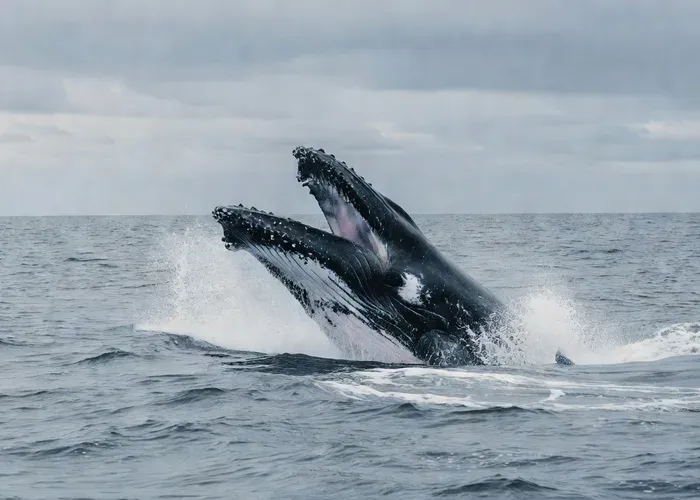
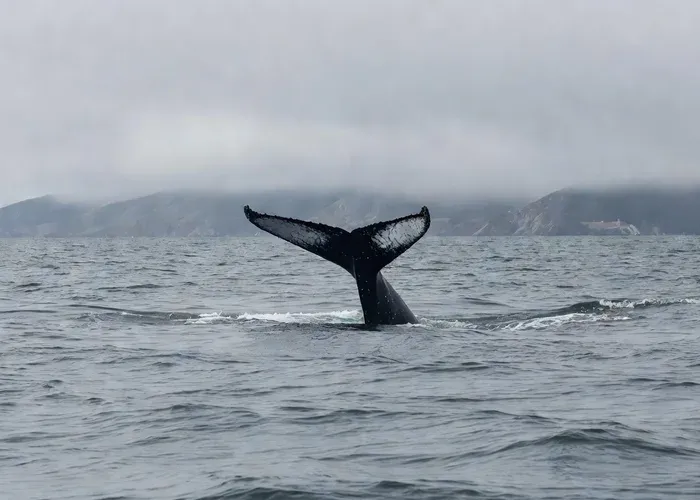
Humpbacks are the star species June–October. They feed actively near the surface — lunge feeding, bubble netting, and occasionally breaching. Naturalists identify individuals by their unique fluke markings.

5

Return through the Golden Gate

The return through the Golden Gate at golden hour on a clear evening is one of the great wildlife tour finales in America. Harbour seals, California sea lions, and seabirds accompany the boat back into the bay.

No whale sighted? Most San Francisco operators offer a complimentary return tour if no whales are sighted. Sighting rates during peak season (July–September) consistently exceed 90%.

What to Bring — and What to Leave at Home

✓ Bring

  • Warm waterproof jacket (SF bay is cold and windy year-round)
  • Fleece mid-layer
  • Beanie or hat
  • Binoculars
  • Camera with telephoto lens
  • Motion sickness medication (open ocean can be rough)

✗ Leave at home

  • Light summer clothing only — SF is cold on the water
  • Pets
Seasickness tip: Tours pass through the Golden Gate and into the open Pacific, where 4–8 foot swells are common. This is among the rougher whale watching crossings in California. Take Bonine or scopolamine patches well before boarding. Sit in the middle of the vessel at the lowest deck if prone to motion sickness.

Where Tours Depart From

Port / AreaDetails
Fisherman's Wharf — San Francisco All three tours depart from or near Pier 39 / Fisherman's Wharf area. Exact dock varies by operator — check your booking confirmation. BART: Embarcadero Station (15-min walk). Muni F-line stops directly at the Wharf.
Fisherman's Wharf is easily reached without a car. BART to Embarcadero, then walk north along the Embarcadero (15 minutes) or take the Muni F-line streetcar directly to the Wharf. Parking is available in multiple paid garages on Beach St and Jefferson St — arrive early on summer weekends.

How to Choose an Ethical Tour

What ethical operators do

  • Maintain 100-yard minimum from humpback whales (NOAA guidelines)
  • Support operators with Gulf of the Farallones sanctuary permits
  • Observe California sea lions at Pier 39 from a distance — do not feed
  • Choose tours with certified naturalists on board

Red flags to avoid

  • Operators without National Marine Sanctuary permits
  • Approaching whales within 100 yards
  • Using underwater sound devices near cetaceans

FAQ — Whale Watching in San Francisco

What whales can I see near San Francisco?

Humpback whales are the primary attraction June–October, feeding in the Gulf of the Farallones National Marine Sanctuary. Blue whales visit in summer. Gray whales migrate offshore in winter. Orca (killer whales) make rare but spectacular appearances. Dall's porpoise and harbour porpoise are common year-round.

When is the best time for whale watching in San Francisco?

July through September is peak season with 90%+ humpback sighting rates. June is excellent with smaller crowds. October sees continued good sightings as whales feed heavily before migrating south. Avoid December–April when tours are limited and the ocean is rougher.

Do San Francisco whale watching tours really go past the Golden Gate?

Yes. Tours pass through or alongside the Golden Gate Bridge and head into the open Pacific toward the Gulf of the Farallones Marine Sanctuary, about 10–20 miles offshore. This is where the whales feed, and the bridge provides an unmatched backdrop for the outbound journey.

How rough is the water on San Francisco whale watching tours?

Rougher than most California whale watching. The open Pacific outside the Golden Gate can have 4–8 foot swells, and the bay itself can have strong currents. This is not recommended for people with severe motion sickness. Take Bonine or scopolamine patches well before boarding and sit low and midship.

Which San Francisco whale watching tour is best?

The Golden Gate tour (t3) has 430+ reviews and is the most proven. The Whales of the Bay (t1) and Fisherman's Wharf cruise (t2) are premium small-group options with 4.9★ and 5.0★ ratings respectively — better for those who want an intimate, expert-led experience.

How do I get to Fisherman's Wharf for whale watching?

Take BART to Embarcadero Station and walk north along the Embarcadero (15 minutes), or take the Muni F-line streetcar directly to Fisherman's Wharf. No car needed. If driving, paid parking is available on Beach St and Jefferson St — arrive early on summer weekends.

What is the Gulf of the Farallones?

The Gulf of the Farallones National Marine Sanctuary is a federally protected marine area extending 27 miles offshore from San Francisco. It surrounds the Farallon Islands — home to the largest seabird colony in the continental US and significant populations of great white sharks, elephant seals, and cetaceans. Most SF whale watching tours operate within or adjacent to the sanctuary.

Is San Francisco whale watching suitable for children?

Older children (8+) who handle rough water well will love the experience. The open Pacific outside the Golden Gate is rougher than sheltered California bays — not ideal for very young children or those prone to seasickness. The landmark Golden Gate backdrop makes it a memorable trip for families with older kids.

Not the right fit? Browse all whale watching tours across 44 destinations worldwide.

Ready to book your San Francisco whale watching tour?

3+ tours · from $75 · free cancellation · instant confirmation

See all tours →