
Which Sydney Whale Watching Tour Is Right for You?
| Tour | Duration | Group size | Best for | Rating | From | |
|---|---|---|---|---|---|---|
| Adventure Cruise | 2.5 hrs | Large vessel | First-timers, budget travellers | 4.2 | $45 | Check → |
| Sunset Guaranteed Cruise | 2.5 hrs | Large vessel | Travellers wanting certainty of a sighting; golden-hour photography | 4.5 | $55 | Check → |
| 2-Hour Express Cruise | 2 hrs | Large vessel | Cruise ship passengers; tight schedules | 4.2 | $64 | Check → |
| Discovery Catamaran Tour | 2.5 hrs | Large catamaran | Families; motion-sensitive guests wanting stability | 4.2 | $64 | Check → |
| Breakfast or Lunch Cruise | 3 hrs | Large vessel | Those wanting whale watching plus a meal experience | 4.5 | $73 | Check → |
| Ocean Whale Watching Experience | 2.5 hrs | Max 30 passengers | Wildlife photographers; those wanting the best encounter quality | 4.7 | $104 | Check → |
| Whale & Wildlife Cruise | 2.5 hrs | Large vessel | Families with children; those interested in dolphins and seabirds too | 4.1 | $63 | Check → |
| Whale Watching & Hop On Hop Off Package | 2.5 hrs + full day ferry | Large vessel | Visitors spending a full day sightseeing in Sydney | 5 | $91 | Check → |
| Private Luxury Charter | Flexible | Up to 12 guests | Corporate events, special occasions, groups wanting exclusive use | — | $3,744/group | Check → |
Whale Species & Best Months in Sydney
| Species | January–March | April–June | July–September | October–December | Likelihood |
|---|---|---|---|---|---|
| Humpback Whale | — | Migration ↓ | Peak | Migration ↑ | ~98% May–Nov |
| Humpback Calf | — | Occasional | Common | Common | June–October |
| Southern Right Whale | — | Rare | Rare | — | Occasional winter |
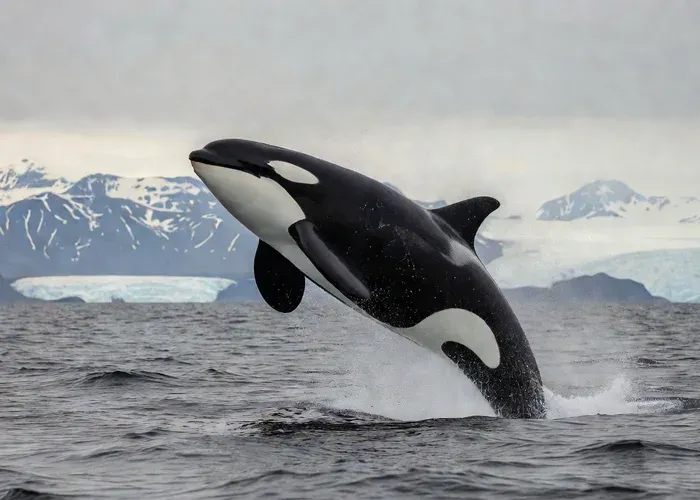
| Orca | — | Rare | Rare | — | Rare — occasional |
| Bottlenose Dolphin | Common | Common | Common | Common | Year-round |
| Common Dolphin | Common | Common | Common | Common | Year-round |
What to Expect on the Day
Boarding at Darling Harbour
Most Sydney whale watching tours depart from King Street Wharf at Darling Harbour — a 10-minute walk from the CBD, well served by bus and light rail. Some tours depart from Circular Quay near the Opera House. Your booking confirmation specifies the exact pier. Pre-boarding, the naturalist or captain typically briefs the group on the day's conditions and expected sightings based on recent activity.
Passing through Sydney Heads
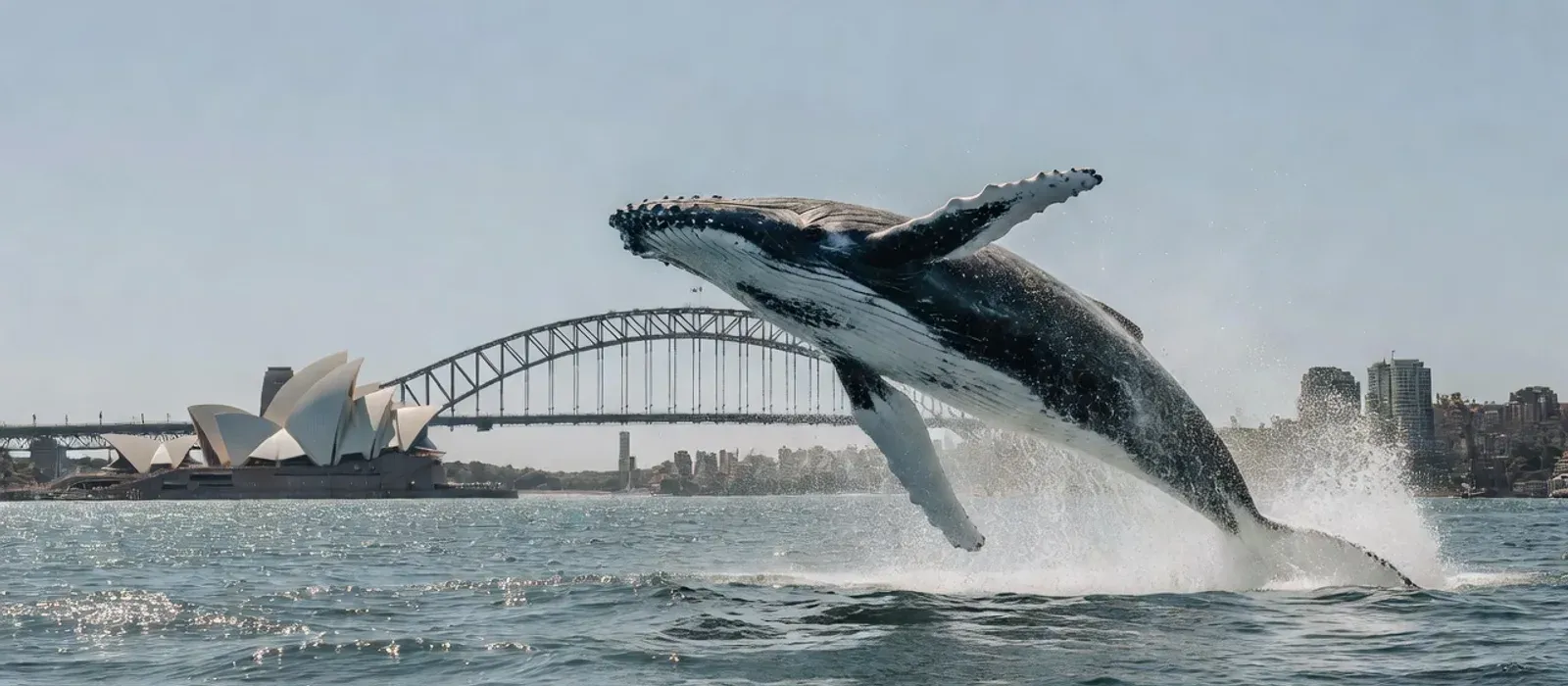
The first 20–30 minutes transit Sydney Harbour past the Harbour Bridge, Opera House, and residential clifftop suburbs. Passing through Sydney Heads — the dramatic sandstone cliff entrance to the harbour — marks the transition into the open Tasman Sea. This is often the best photographic moment of the trip: turning back to see the city skyline from the water. Once through the Heads, the vessel increases speed toward the offshore whale grounds.
First sighting and approach
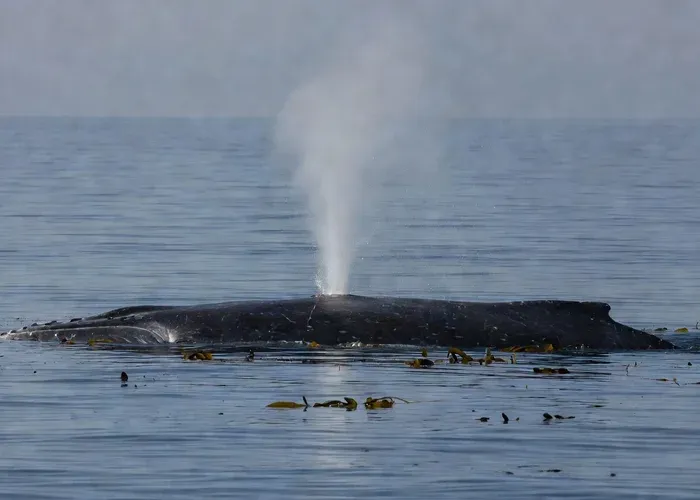
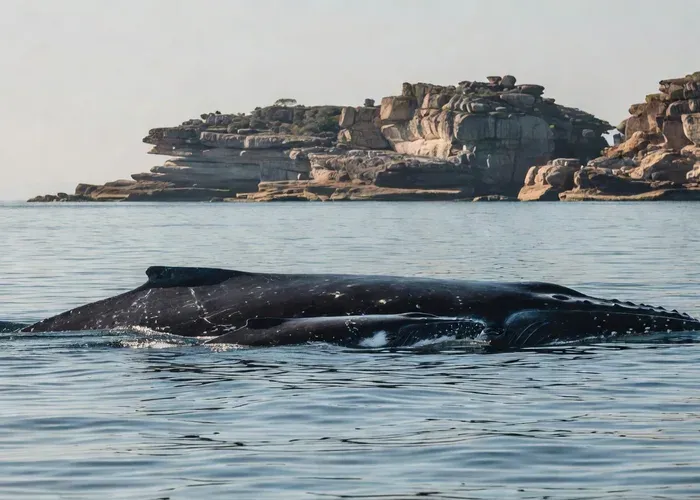
Humpbacks on migration typically travel in small groups — pairs, mother-calf pairs, or solitary individuals. The captain approaches slowly at minimum 100 metres (NSW Marine Parks regulation). Humpbacks on the Humpback Highway are accustomed to boat presence — they often show curiosity, surfacing near the vessel and holding position rather than travelling through. A typical encounter lasts 20–45 minutes.
Surface behaviour
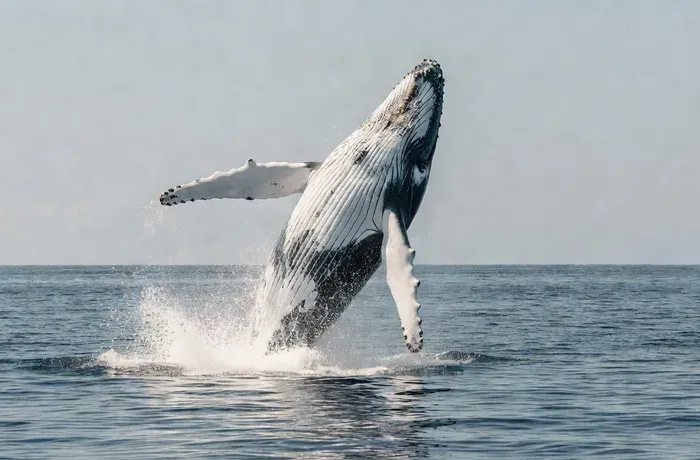
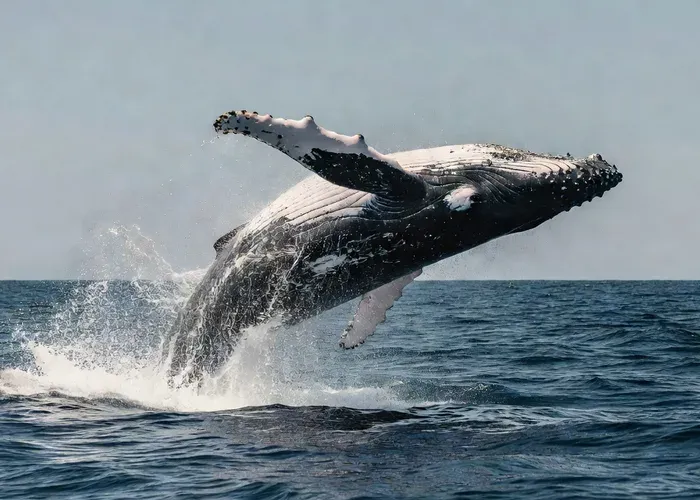
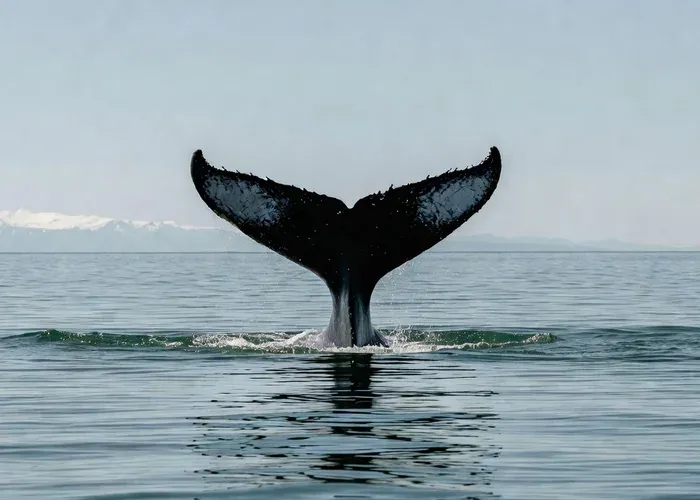
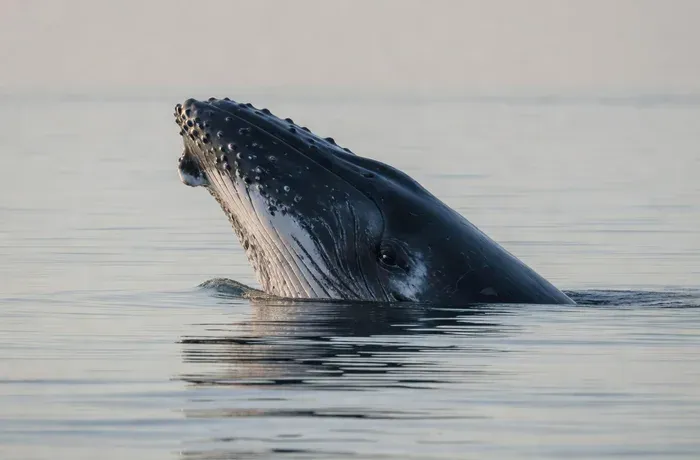
Sydney is one of the best places on earth for humpback surface behaviour. June–July southbound whales include mother-calf pairs where calves make their first breach attempts alongside their mothers — short, splashing half-breaches at first. October northbound calves are 4–5 months old and breaching fully. Pec slapping (slapping a 5-metre pectoral fin against the surface), tail lobbing, and spy-hopping are observed on most trips. Males sing in the deeper water offshore — occasionally audible through the hull.
Return to Darling Harbour
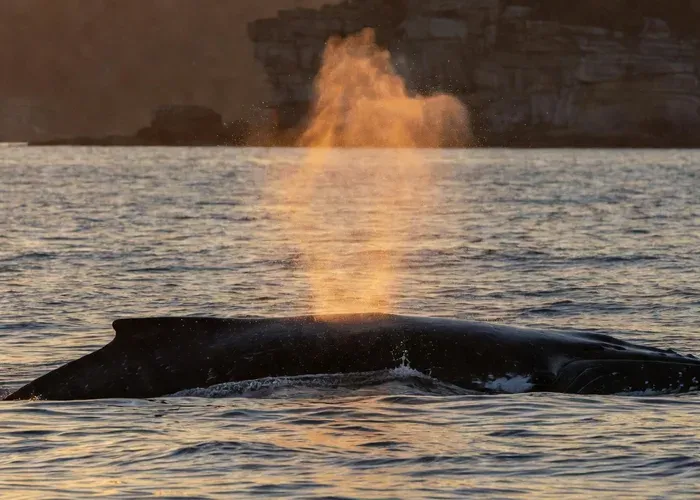
Tours return to Darling Harbour or Circular Quay. Most include a naturalist debrief. The sunset tour times the return transit through the Heads at dusk — Sydney Harbour at golden hour from the water is one of the most photographed scenes in Australia. Bottlenose and common dolphins frequently accompany the boat on the return leg.
Watch: Humpback Whales in Sydney
Sydney's Ultimate Whale Watching Tour
What to Bring — and What to Leave at Home
✓ Bring
- Light waterproof jacket — open ocean past the Heads can be windy
- Sunscreen and sunglasses — Sydney spring/summer UV is intense
- Camera or smartphone
- Seasickness medication if prone — conditions past Sydney Heads can be choppy
- Warm layer for early morning or evening departures
✗ Leave at home
- Heavy luggage — boat deck space is limited
- Pets
Where Tours Depart From
| Port / Area | Details |
|---|---|
| King Street Wharf, Darling Harbour | King Street Wharf, Darling Harbour, Sydney NSW 2000. Main whale watching departure point. 10-minute walk from Town Hall station or Wynyard station. Light rail: Convention stop. Taxi and Uber from Central Station: 5 minutes. Multiple cafés and restaurants at Darling Harbour for pre-departure. Tours t1, t3, t4, t5, t6, and t7 depart from here or nearby. |
| Circular Quay | Circular Quay, Sydney NSW 2000. Serves some operators and the Hop On Hop Off package (t8). Train: Circular Quay station. Ferry connections to Manly and other harbour destinations. Walking distance from Sydney Opera House and The Rocks. Check your booking confirmation for the exact pier number. |
How to Choose an Ethical Tour
What ethical operators do
- Maintain 100-metre minimum from humpbacks (NSW Marine Parks regulations)
- Choose operators registered with NSW Department of Primary Industries
- Remain seated or on assigned deck areas during whale encounters
- Report vessel behaviour violations to NSW Marine Parks hotline
Red flags to avoid
- Swimming within 300 metres of any whale (NSW law)
- Multiple vessels approaching the same whale simultaneously (illegal under NSW regulations)
- Feeding dolphins or any marine wildlife