Destinations By species Season guide Blog
Browse all tours →

44 destinations · Free cancellation

Salish Sea · British Columbia, Canada

Victoria BC Whale Watching Tours

Victoria sits at the southern tip of Vancouver Island, surrounded by some of the most productive whale watching waters in North America. The Strait of Juan de Fuca and Haro Strait channel Bigg's Orca between the Pacific and the Salish Sea, while humpback whales have made a remarkable comeback along the BC coast. Tours depart from Victoria's Inner Harbour — the most scenic departure point on the Pacific Coast — and reach prime whale territory in under 30 minutes.

Orca sightings Inner Harbour departure Catamaran & zodiac Naturalist guide Free cancellation
3 Tours available
From $131 Lowest price
May–Oct Best season
4.7★ Top-rated tour
90%+ Whale sighting rate

Whale Watching Tours in Victoria

Victoria: Half-Day Whale-Watching Catamaran with Free Photos whale watching VictoriaTop Pickfrom $158

Victoria: Half-Day Whale-Watching Catamaran with Free Photos

★★★★★4.6(2395 reviews)·3–4 hrs
  • Free cancellation up to 24 hours before
  • Certified naturalist commentary on board
  • Instant confirmation via email
Check Availability →
Victoria Zodiac Boat Whale Watching Adventure whale watching Victoriafrom $150

Victoria Zodiac Boat Whale Watching Adventure

★★★★★4.7(963 reviews)·3–4 hrs
  • Free cancellation up to 24 hours before
  • Certified naturalist commentary on board
  • Instant confirmation via email
Check Availability →
Victoria Whale-Watching Boat Trip with Naturalist Guide whale watching Victoriafrom $131

Victoria Whale-Watching Boat Trip with Naturalist Guide

★★★★★4.5(489 reviews)·3–4 hrs
  • Free cancellation up to 24 hours before
  • Certified naturalist commentary on board
  • Instant confirmation via email
Check Availability →

Types of Whale Watching in Victoria

Zodiac Speedboat
3–3.5 hour tours on fast rigid-hull inflatable boats. Passengers wear full survival suits. Faster access to wildlife but fully exposed to wind and spray — a more exciting, adventure-style experience.
Large Vessel Naturalist Tour
3.5–4 hour tours on a covered vessel with a certified marine naturalist. Calmer ride, more educational commentary, accessible for all ages and mobility levels.
Which to choose? The catamaran (t1) is the best all-rounder — stable enough for rough days with the range to reach distant pods. Book the zodiac if you want a more adventurous, intimate experience and don't mind the exposure.
Aerial view of humpback whales and dolphins in Hawaiian waters on Maui whale watching tours

Whale Species & Best Months in Victoria

Species January–March April–June July–September October–December Likelihood
Bigg's Orca (Killer Whale) Occasional Active Peak Active ~90%+
Humpback Whale Arriving Peak Departing ~65%
Gray Whale Migrating Migrating Southbound ~35%
Minke Whale Present Common ~45%
Dall's Porpoise Common Common Common Common Very High
Victoria is located where the Strait of Juan de Fuca meets Haro Strait — a key Bigg's Orca corridor. The combination of resident orca pods and recovering humpback populations makes this one of BC's most reliable whale watching destinations.

What to Expect on the Day

1

Meet at Inner Harbour

Check in at the Victoria Inner Harbour dock, steps from the Fairmont Empress Hotel. Staff brief you on whale behaviour and what to expect. Most tours include complimentary life-jacket fitting.

2

Into the Strait

Boats head south-west into the Strait of Juan de Fuca within minutes of departure. On clear days the Olympic Mountains of Washington State fill the southern horizon.

3

Tracking begins

Captains receive real-time updates from a network of marine spotters. Bigg's Orca are typically located within 20–40 minutes of departure during peak season.

4

Time with the whales

Operators observe the 100-metre approach limit for orca under Canadian law. Expect 20–60 minutes alongside the pod as the naturalist narrates individual whale IDs and behaviour.

5

Return via scenic harbour

Most tours return via Race Rocks — a protected ecological reserve with Steller sea lions, harbour seals, and seabirds — before heading back into the Inner Harbour.

No whale sighted? Most Victoria operators offer a free return tour if no whales are sighted. Sighting rates in the May–October peak season consistently exceed 90%.

What to Bring — and What to Leave at Home

✓ Bring

  • Warm waterproof jacket (even in summer)
  • Extra fleece mid-layer
  • Binoculars
  • Camera with telephoto lens
  • Motion sickness medication if prone
  • Sunscreen and sunglasses

✗ Leave at home

  • Strong perfumes or scents
  • Large luggage (limited space on zodiacs)
  • Pets
Seasickness tip: Victoria tours cross the Strait of Juan de Fuca, which can be choppy especially in afternoon southwesterlies. Morning departures are calmer. Take Gravol or Bonine 30–60 minutes before boarding. Catamarans are significantly more stable than zodiacs.

Where Tours Depart From

Port / AreaDetails
Victoria Inner Harbour All three listed tours depart from the Inner Harbour waterfront in central Victoria — walking distance from major hotels, the Fairmont Empress, and BC Ferries at Swartz Bay. Ample paid parking nearby.
Victoria is on Vancouver Island. From Vancouver: take BC Ferries from Tsawwassen to Swartz Bay (1h 35min), then drive 30min south to Victoria. From Seattle: take the Victoria Clipper high-speed passenger ferry (3 hours, seasonal). Victoria International Airport has direct flights from Seattle, Vancouver, Calgary, and Toronto.

How to Choose an Ethical Tour

What ethical operators do

  • Maintain 100-metre minimum from orca (Canadian law — DFO Marine Mammal Regulations)
  • Support operators with Whale Watch Operator Association Northwest (WWOAN) certification
  • Book tours with onboard naturalists
  • Turn off underwater sonar and loud music near cetaceans

Red flags to avoid

  • Approaching orca within 100 metres (illegal in Canadian waters)
  • Multiple vessels surrounding a pod simultaneously
  • Operators without certified naturalists or conservation messaging

FAQ — Whale Watching in Victoria

What whales can I see near Victoria BC?

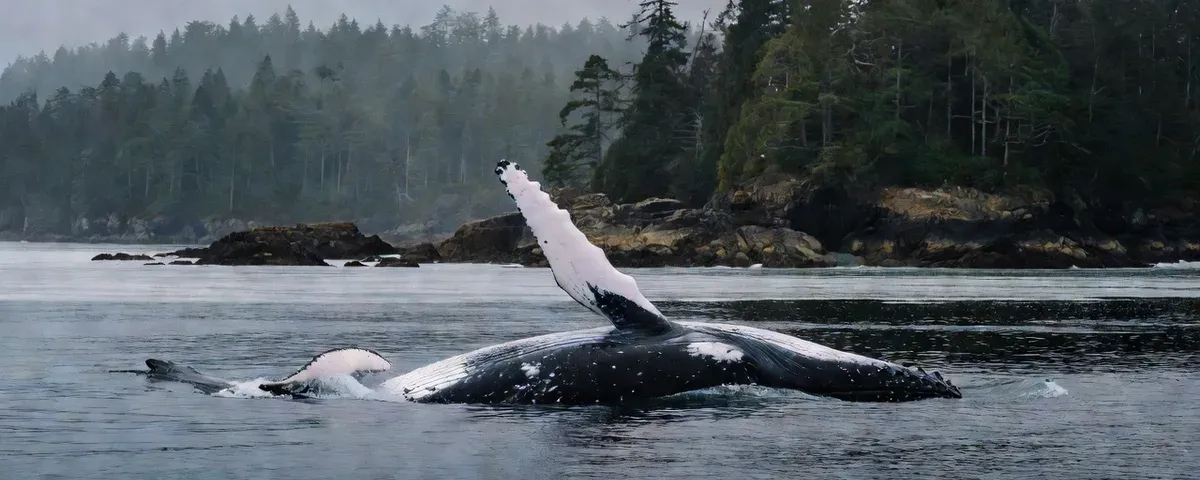
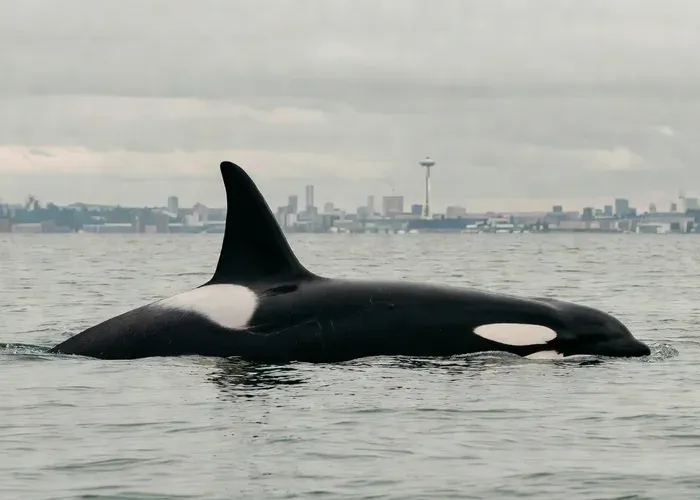
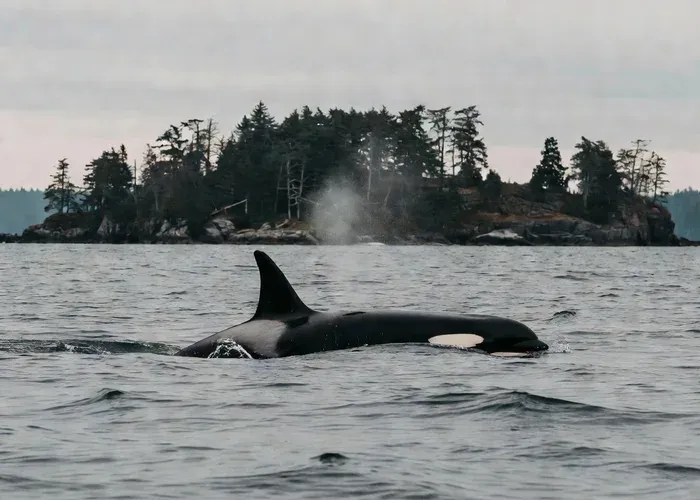
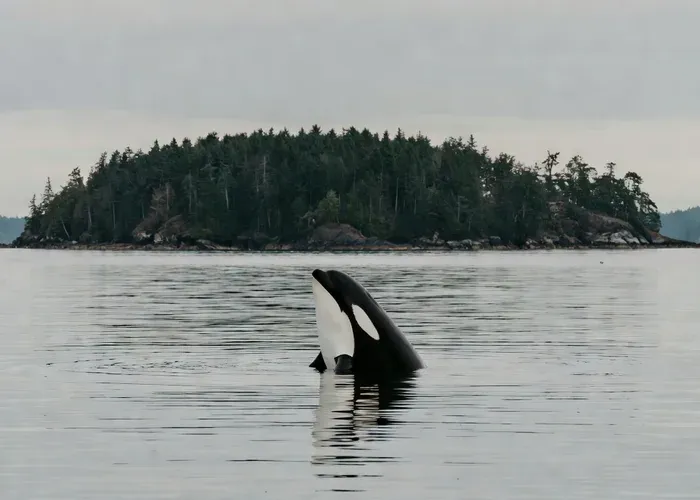
Bigg's Orca (Transient Killer Whales) are the primary attraction and present year-round in the Strait of Juan de Fuca. Humpback whales are common May–October. Gray whales pass through during spring migration. Minke whales and Dall's porpoise are regular companions on most tours.

When is the best time for whale watching in Victoria?

May through September is peak season. July and August offer the best combination of calm water, long daylight, and maximum whale activity. June is excellent with fewer crowds. Humpback whales are most common June–October. Orca are spotted year-round, though January–March sees fewer departures.

How much do Victoria whale watching tours cost?

Tours range from $131 (large vessel naturalist tour) to $158 (catamaran with free photos). All prices are in USD via Viator and include a certified naturalist. Free cancellation is available on all listed tours.

What's the difference between a catamaran and zodiac tour?

Catamarans are larger, stable vessels with indoor heated seating — ideal for families, those prone to seasickness, or rough weather days. Zodiacs are smaller, faster inflatable boats — passengers wear survival suits for the fully exposed, adventurous experience. Both get close to the same wildlife.

How do I get to Victoria from Vancouver or Seattle?

From Vancouver: BC Ferries from Tsawwassen to Swartz Bay (1h 35min), then 30 minutes south to Victoria. From Seattle: Victoria Clipper high-speed ferry (3 hours, seasonal daily departures). Victoria also has direct flights from Seattle, Vancouver, and Calgary.

Is whale watching in Victoria suitable for children?

The catamaran tour is excellent for families — no minimum age, stable platform, heated indoor seating, and free photos included. Zodiac tours typically require children to be at least 12 years old and weigh over 40kg for the survival suits.

What is Race Rocks and do tours stop there?

Race Rocks is a protected ecological reserve at the southern tip of Vancouver Island, home to a large colony of Steller sea lions, harbour seals, bald eagles, and seabirds. Most Victoria whale watching tours pass through Race Rocks on the return route — it's a reliable wildlife bonus on every trip.

What are the whale watching rules in Canadian waters?

Canadian DFO regulations require a minimum 100-metre approach distance from orca — stricter than the 300-yard US rule. Vessels must also not position themselves in the path of travelling whales. All listed tour operators comply with WWOAN guidelines and Canadian Marine Mammal Regulations.

Not the right fit? Browse all whale watching tours across 44 destinations worldwide.

Ready to book your Victoria whale watching tour?

3+ tours · from $131 · free cancellation · instant confirmation

See all tours →