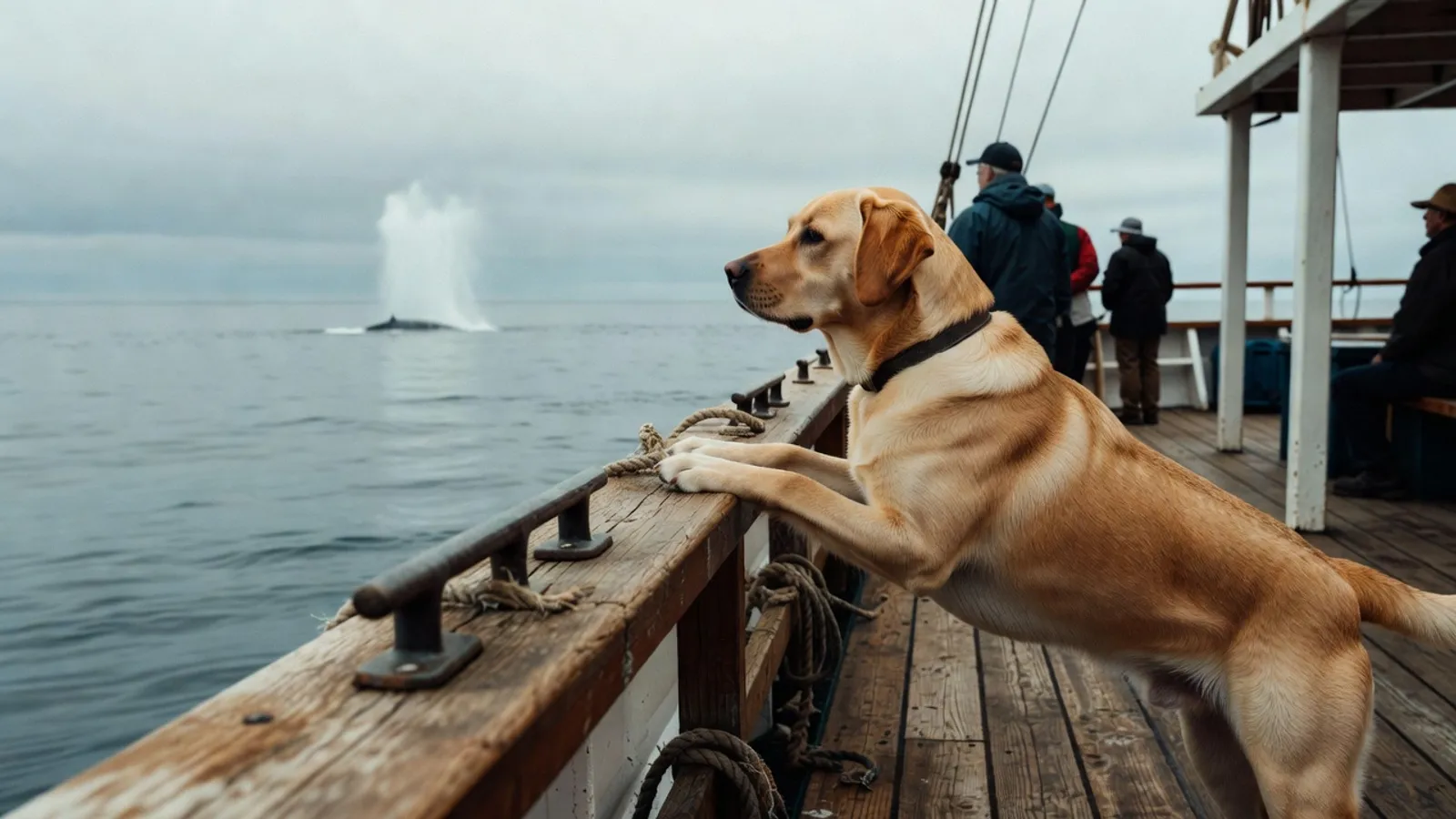
The short answer: probably not on a standard group tour — but it's more nuanced than a flat no. A growing number of small charter operators, especially in California and the Pacific Northwest, do welcome leashed, calm dogs on board. Service animals are a legal right, not a favour. And private charters give you full control. Here's everything you need to know before you call the dock.
Why Most Whale Watching Boats Don't Allow Pets
Whale watching operators run shared boats — sometimes 40 to 150 passengers at once. A single unpredictable dog can create problems for everyone on board: stress for other passengers, stress for wildlife, and genuine liability headaches for the operator. Most tour companies simply include "no pets" in their terms and leave it at that.
There are also practical reasons that have nothing to do with policy. Offshore whale watching trips often cross open ocean swells — the same conditions that make humans seasick are harder on dogs, who can't tell you what's wrong and may panic or vomit without warning. A dog barking continuously 6 miles offshore, surrounded by strangers on a rolling deck, is a problem that's hard to fix mid-tour.
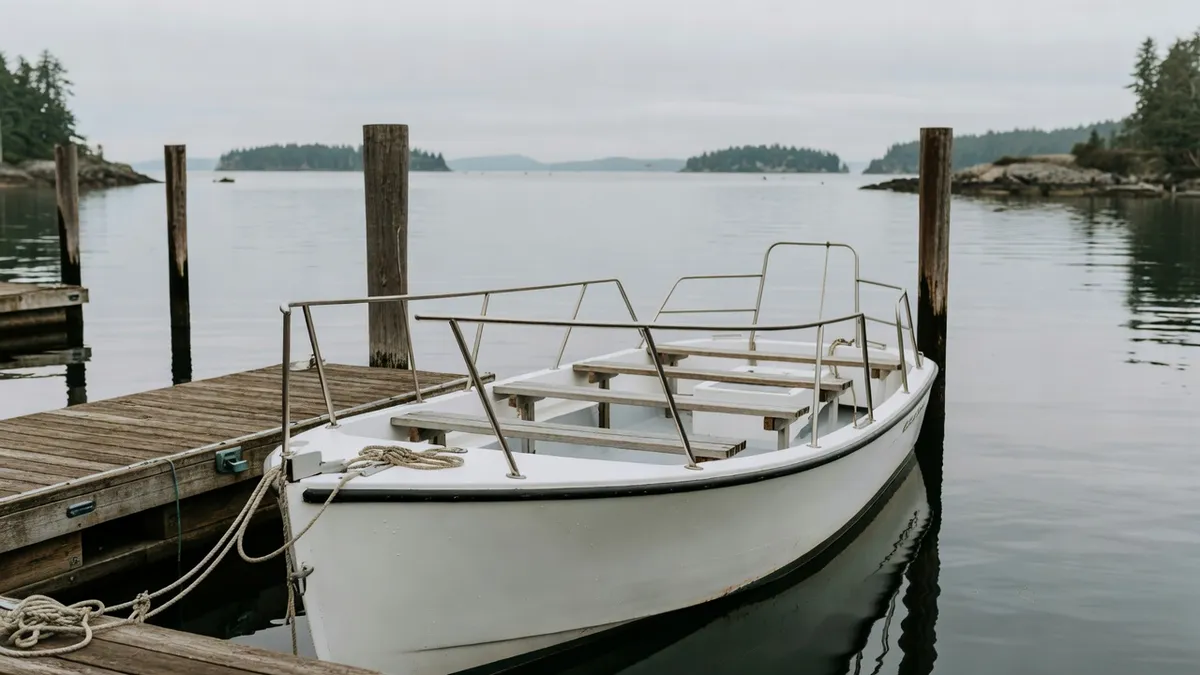
That said, the "no pets" rule is far more common on large commercial operators running twice-daily departures than on small independent charters. If you're set on bringing your dog, the operator size and boat capacity matter more than the destination.
Service Dogs Are a Different Story
If you rely on a trained service dog, the rules are clear — and they're not optional for the operator.
Under the Americans with Disabilities Act (ADA), commercial whale watching operators in the United States must permit service animals on their vessels. A service dog is one trained to perform a specific task related to its handler's disability — guiding a blind person, alerting to a seizure, detecting a blood sugar drop. The operator can ask two questions: (1) Is this a service animal required because of a disability? (2) What work or task has the dog been trained to perform? They cannot demand documentation or a vest.
In Canada, provincial human rights codes similarly require accommodation for guide dogs and service animals on commercial vessels. In the UK, the Equality Act 2010 covers assistance dogs. Internationally, policies vary widely — in Iceland, New Zealand, and most of Europe, service dog access depends on the specific operator and country's accessibility legislation.
Practical tips if you're bringing a service dog:
- Notify the operator when booking — not to ask permission, but to let them prepare deck space and brief their crew.
- Bring documentation anyway (certification, vest, ID card) even though operators can't legally require it. It prevents delays at the dock.
- Ask about the vessel layout — open-deck boats with wide side rails are more comfortable for a large service dog than enclosed lower-deck seating.
- Confirm there's a quiet area away from the main crowd where your dog can settle during the trip.
Dog-Friendly Whale Watching Operators — What to Look For
There's no industry-wide "dog-friendly whale watching" certification or directory. You have to call operators directly. Here's what to ask and what the answers tell you:
| Question to ask | What a good answer looks like |
|---|---|
| "Do you allow leashed dogs on board?" | "Yes, for calm, well-behaved dogs on our smaller charters" — specific, conditional. Better than a flat yes or no. |
| "Is this a shared or private departure?" | Shared = other passengers involved, stricter policy. Private = your boat, your rules. |
| "What size dog?" | Many dog-friendly operators specify under 40–50 lbs. If your dog is larger, confirm explicitly. |
| "Is there an extra fee for my dog?" | Some operators charge a cleaning fee ($15–$40). Fair — confirm the amount before booking. |
| "What if my dog causes a problem on board?" | A responsible operator will tell you honestly: excessive barking or aggression = return to dock. That's the right answer. |
| "Can you put the dog-friendly policy in my booking confirmation?" | Yes. Always get it in writing so there's no surprise at the dock. |
Operators who have worked with dogs before will answer these questions without hesitation. Vague or reluctant answers usually mean it's not a real policy — just a maybe that could go either way on the day.
Where You're Most Likely to Find a Dog-Friendly Tour
Dog-friendly policies cluster in destinations where: (a) the local culture is strongly dog-friendly, (b) there are many small independent operators running 6–12 passenger boats, and (c) the departure waters are calm enough for a dog to be comfortable. Here's a breakdown of the best bets in the US:
| Destination | Dog-friendly outlook | Best season | Likely species |
|---|---|---|---|
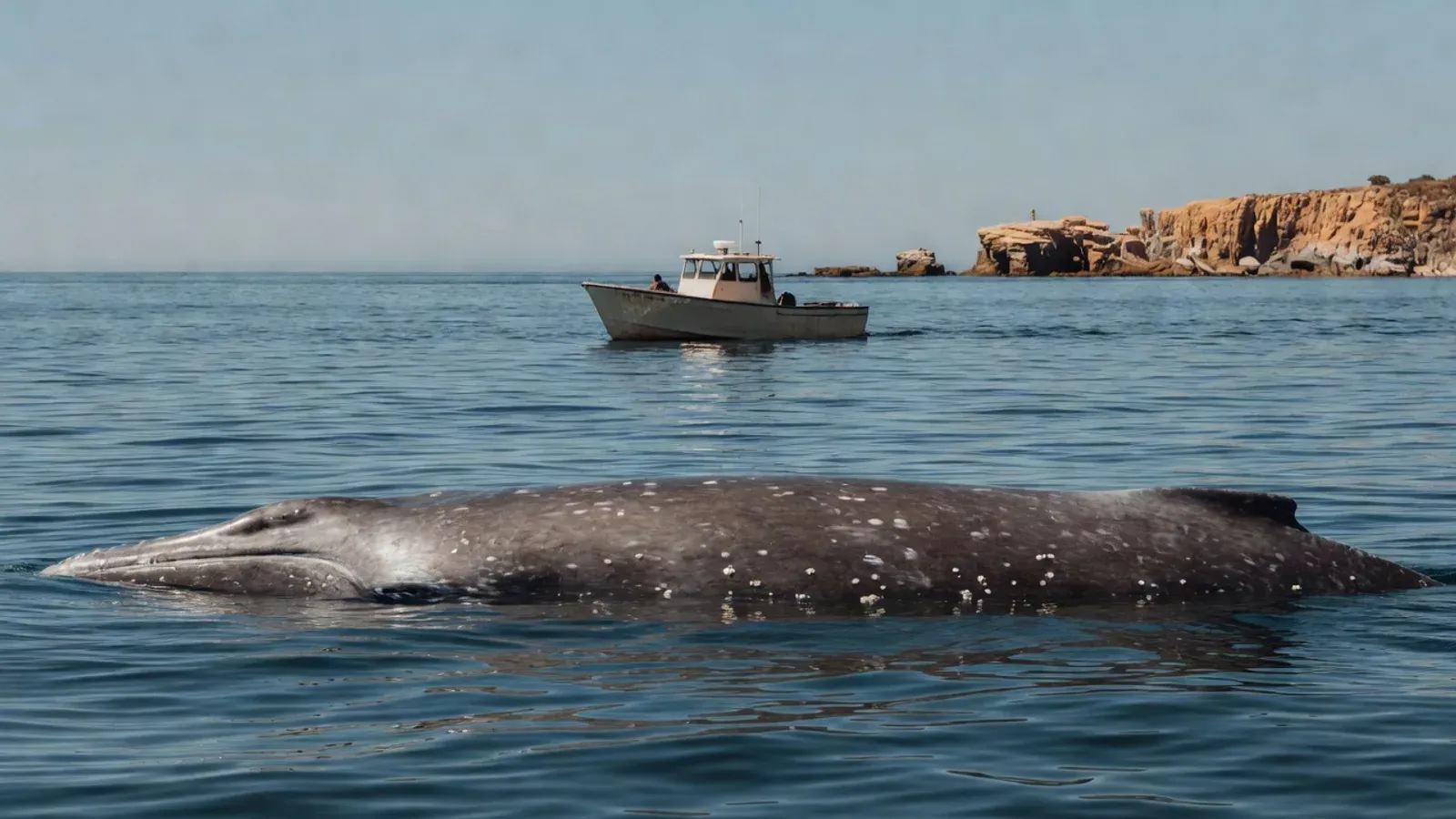
| San Diego, CA | ★★★★☆ — Several small charter operators are dog-tolerant; city is famously dog-friendly | December–April (gray), June–October (blue, fin) | Gray whale, blue whale, fin whale |
| Monterey Bay, CA | ★★★☆☆ — Large operators say no; independent RIB charters sometimes say yes | April–October | Humpback, blue whale, orca, gray |
| Dana Point, CA | ★★★☆☆ — Some open-deck zodiac-style charters accommodate calm dogs | December–May, July–September | Gray whale, blue whale, common dolphin |
| Depoe Bay, OR | ★★★★☆ — Small town, small boats, flexible operators; gray whales year-round | Year-round (gray whale peak: March–June) | Gray whale, humpback |
| Cape Cod, MA | ★★★☆☆ — Some smaller operators; note that large commercial vessels here run to offshore banks (rougher water) | April–October | Humpback, finback, minke |
| Bar Harbor, ME | ★★★☆☆ — Dog-friendly town; call individual operators for charter options | June–October | Humpback, finback, minke, right whale |
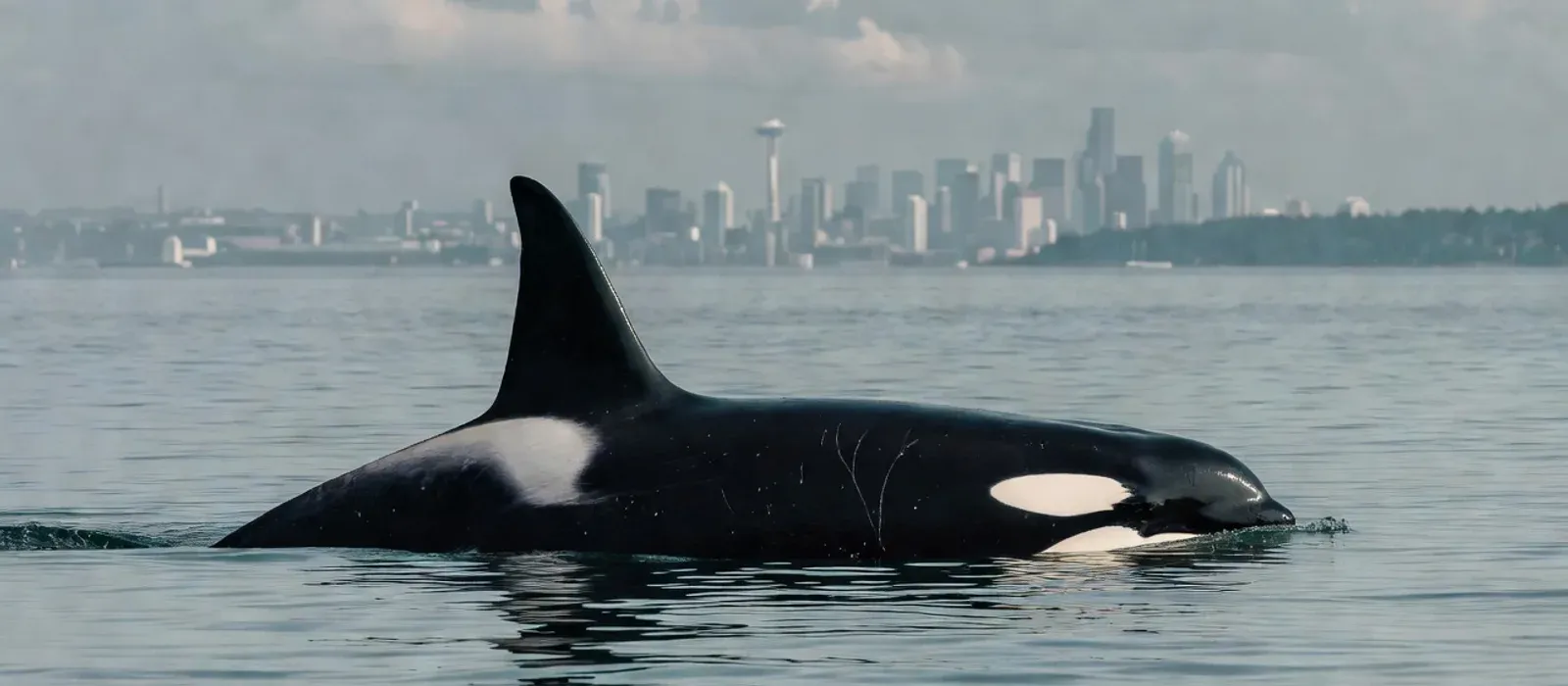
| Seattle / San Juan Islands | ★★★★☆ — Strong dog culture in the Pacific Northwest; private charters common; calmer Salish Sea waters | May–September | Orca, minke, humpback, Dall's porpoise |
How to Prepare Your Dog for the Trip
Even if you've found a dog-friendly operator, the trip itself requires preparation. A dog who is anxious on boats, prone to motion sickness, or reactive to crowds and noise is going to have a miserable time — and so will everyone around you.
Two weeks before
- Take your dog on shorter boat trips (a kayak, ferry crossing, or motorboat ride) to gauge their response to water motion and engine noise.
- Book a vet appointment to discuss motion sickness options. Cerenia (maropitant) is the gold standard for dogs; meclizine is an over-the-counter alternative. Both should be trialled before the tour day.
- Check that your dog's recall is solid off-leash, and that they respond calmly to "leave it" around birds and other animals — seabirds around the boat are irresistible to some dogs.
Day before the tour
- Give anti-nausea medication the night before if your vet recommends it (Cerenia works best administered 1–2 hours pre-trip, but check dosing instructions).
- Feed a light meal — not fasting (low blood sugar worsens nausea), not a full meal (too much food increases the risk of vomiting).
- Confirm your booking and dog policy in writing with the operator one more time.
What to pack for your dog
- A snug, well-fitted life jacket or buoyancy aid (not optional — dogs can be swept overboard in rough conditions or jump in after marine life).
- A short, strong 4-foot leash — not a retractable. Your dog should be on a fixed leash the entire trip.
- Fresh water and a collapsible bowl. Salt air is dehydrating and sea water is harmful — bring enough water for the full tour length plus extra.
- A familiar blanket or mat to give your dog a defined resting spot on deck.
- Poop bags, a small towel, and a portable waste bag holder.
- Your vet's contact number and proof of vaccination (some operators ask for this).
What Could Go Wrong (and How to Prevent It)
Here are the most common ways a dog can turn a whale watching trip difficult, and what to do about each:
| Problem | Prevention | If it happens |
|---|---|---|
| Motion sickness / vomiting | Trial medication beforehand, light pre-trip meal, fresh air on deck | Move to the bow (smoothest part of the boat), keep dog calm and still, clean up immediately |
| Barking at marine wildlife or seabirds | "Leave it" command trained, desensitisation to birds before the trip | Move away from the rail, redirect with a toy or treat, stand between the dog and the stimulus |
| Anxiety or panic from engine noise | Boat familiarisation trips, anxiolytic medication if vet-recommended | Find the quietest spot on deck (usually mid-ship away from engine room), wrap in a familiar blanket |
| Jumping towards the water or wildlife | Short fixed leash, life jacket fitted, stay away from the rail | Immediately move to centre deck, sit, redirect attention to owner |
| Aggression to other passengers | Know your dog — if they're not reliable with strangers, don't bring them | Create space, apologise, muzzle if you've brought one; this may end your tour early |
| Overheating on a sunny deck | Bring water, choose morning tours (cooler), find shade spots before boarding | Move to shaded area, pour cool (not cold) water on paws and belly, offer water to drink |
The honest rule: if your dog is not reliable in any of these scenarios on land, they will be less reliable on a rolling boat 6 miles offshore. Whale watching is a genuinely unpredictable environment — whales breach without warning, boat engines cut suddenly, crowds surge to one side of the deck. A dog who can handle all of that is a special dog. Most dogs can't, and that's fine.
The Private Charter Option
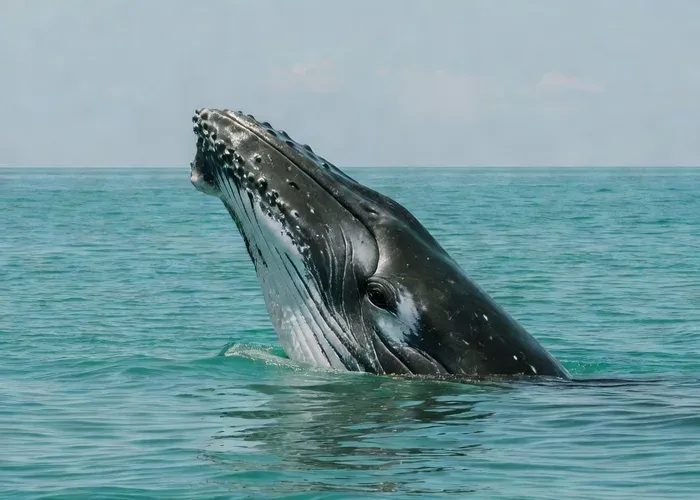
If you want certainty rather than operator lottery, book a private charter. When you rent the entire vessel, you're the only customer — and the "no pets on shared tours" rule simply doesn't apply. You negotiate your own terms with the captain, and dogs are almost always welcomed as part of those terms.
What to expect from a private whale watching charter:
- Price: Typically $300–$800 for a 3–4 hour trip (4–6 passengers). Per-person cost goes down in a group — split with friends or family.
- Flexibility: You choose departure time, route, and duration. Morning departures (calmer seas, better light) are usually preferable for dogs.
- Dog policy: Confirm explicitly. "Private charter" doesn't automatically mean yes — some captains still prefer no animals. Get it in writing.
- Vessel type: RIB inflatables (zodiac-style) are closer to the water, more thrilling, but wetter and bumpier — not ideal for nervous dogs. Closed-hull vessels or catamarans offer more stable, covered space.
Private charters are available in nearly every whale watching destination covered on San Diego, Monterey Bay, Seattle, and beyond. Browse all whale watching destinations worldwide to find the right location for your trip.
Alternatives If Your Dog Can't Come
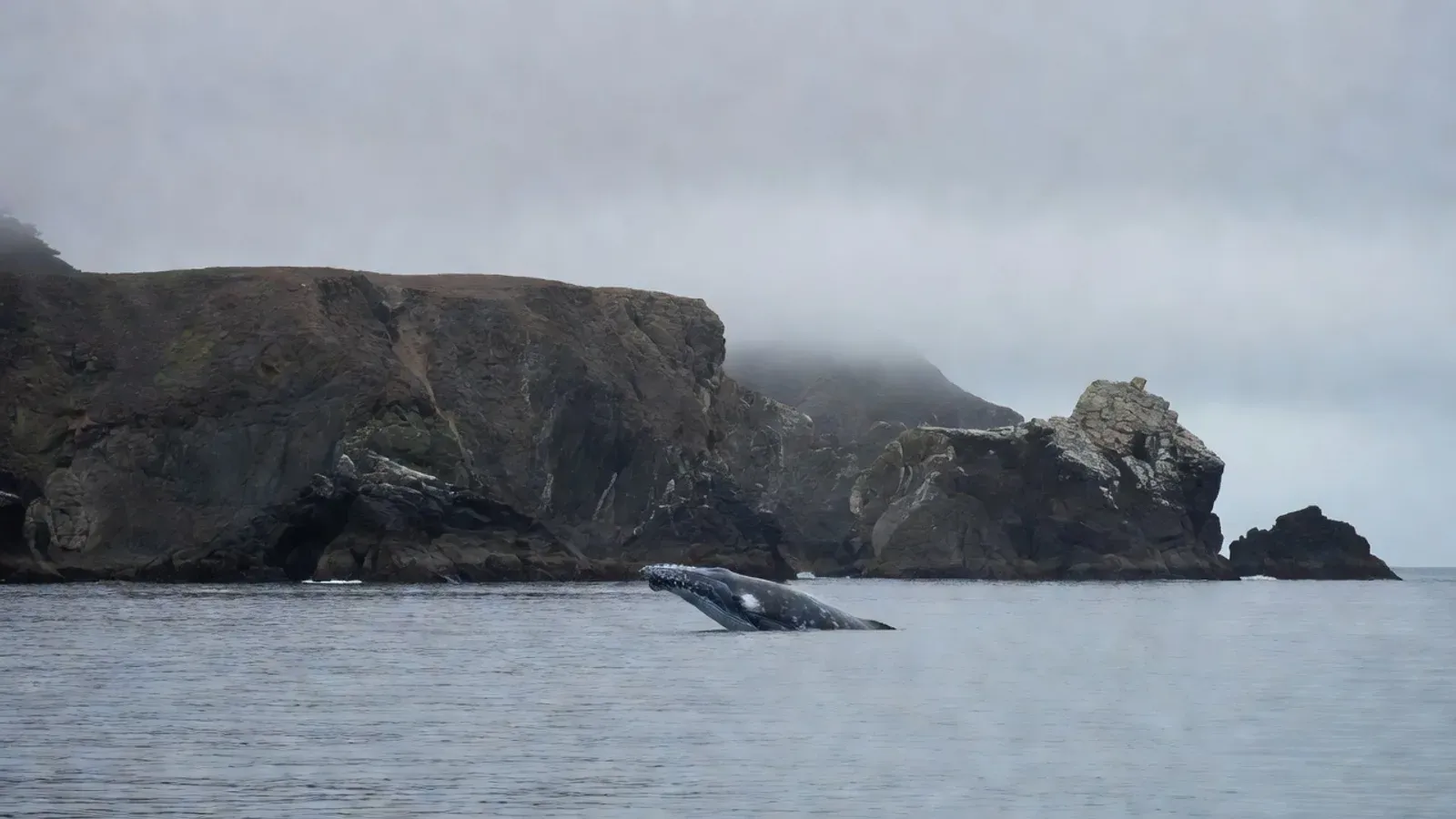
If you've done the research and your dog genuinely isn't suited to an ocean tour, the trip doesn't have to be a disappointment. Most whale watching destinations have excellent shoreside options:
- Shore-based whale watching: Gray whales migrate close to shore along the California coast — the cliffs above Cabrillo National Monument (San Diego), Point Reyes, and Depoe Bay's seawall are famous for close shore sightings. Binoculars and a patient dog make this work.
- Coastal dog walks near whale territory: The Pacific Coast Trail, Cape Cod Rail Trail, and trails around Bar Harbor all pass through coastal viewpoints with ocean wildlife visibility. Your dog gets the walk; you get the scenery.
- Dog-friendly harbour towns: Most whale watching departure harbours are themselves worth exploring — waterfront seafood, dog-friendly patios, and the chance to watch vessels heading out. Let someone else do the boat bit and enjoy the harbour with your dog.
- Doggy daycare at the destination: Many harbour towns have dog daycare or "doggy hotel" services. Drop your dog for the 3–4 hours, do the whale watching tour, pick them up, and spend the afternoon together on land. Everyone's happy.
Explore the full range of whale watching tours across all destinations and find the one that works for your trip — whether or not your dog is on board.
Do's and Don'ts: Quick Reference
| ✓ Do | ✗ Don't |
|---|---|
| Call ahead and get the dog policy in writing | Assume "dog-friendly town" = "dog-friendly tour operator" |
| Bring a fitted dog life jacket | Book a large commercial whale watching boat and hope for the best |
| Trial motion sickness medication before the trip | Feed your dog a large meal immediately before departure |
| Use a short fixed leash the entire trip | Let your dog near the railings unsupervised |
| Choose calmer inshore routes and larger vessels | Take a seasick-prone dog on a 30-mile offshore trip in choppy conditions |
| Have fresh water available throughout the trip | Let your dog drink salt water from the ocean spray |
| Consider a private charter for certainty | Bring a reactive, dog-aggressive, or anxious dog onto a shared public tour |
Frequently Asked Questions
Can you bring a dog on a whale watching tour?
⌄Are service dogs allowed on whale watching tours in the US?
⌄Will my dog get seasick on a whale watching boat?
⌄Does my dog need a life jacket on a whale watching boat?
⌄How much does a private whale watching charter cost?
⌄Ready to find a whale watching tour? Browse all whale watching destinations worldwide or explore the top spots in San Diego, Monterey Bay, and the Seattle and Pacific Northwest — all with free cancellation on every booking.