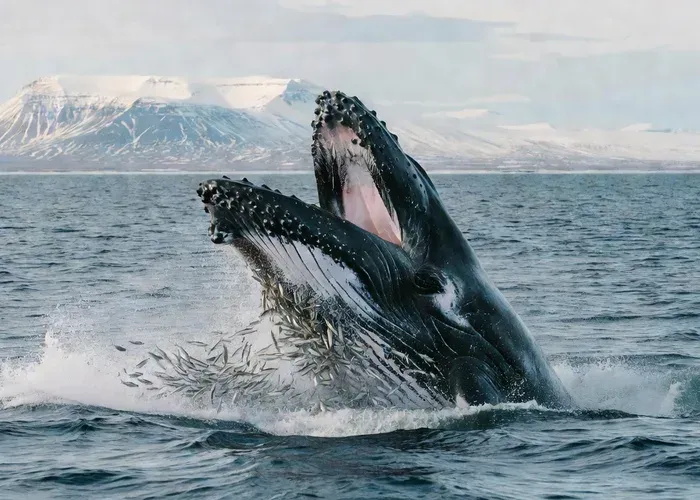
The moment your whale watching boat clears the harbour and opens up to open water, the temperature drops. Water robs heat from the air; wind chill at 20 knots cuts through clothing that felt perfectly fine on shore. Add spray from the bow waves and a persistent sea breeze, and the gap between "dressed for the beach" and "dressed for the water" can feel like 10°C or more. The difference between a magical wildlife encounter and an hour of miserable shivering comes down almost entirely to what you're wearing when you step aboard.
The challenge is that there is no single right answer. Whale watching tours operate in sub-Arctic Norway in January (air temperature −10°C, exposure suits provided), in tropical Hawaii year-round (28°C, sun protection is the priority), and in every climate in between. Three variables decide your outfit: the climate zone of your destination, the season in which you're travelling, and the type of boat you're on. Get all three right and you'll be comfortable enough to spend every minute watching the ocean, not thinking about your jacket.
This guide covers all three variables — climate-zone comparison table, item-by-item recommendations, and a full checklist for each scenario. If you're still choosing your destination, our whale watching destinations worldwide guide covers every location we list, searchable by species and month.
The one rule that always applies — dress in layers
The three-layer principle is the single rule that holds across every whale watching destination on earth — Iceland at −5°C and Tenerife at 22°C alike. Conditions on the water change fast: a calm, sunny start can turn choppy and cold the moment the boat leaves the shelter of the headland. A layering system lets you adapt in 30 seconds without needing a separate outfit for every scenario.
| Layer | Purpose | Good fabrics | Avoid |
|---|---|---|---|
| Base | Moisture management — pulls sweat and spray away from skin so it can evaporate | Merino wool, polyester, nylon | Cotton — absorbs moisture, stays wet, and draws warmth from your body |
| Mid | Insulation — traps warm air close to your body even when damp | Fleece, lightweight down, synthetic fill | Heavy denim, thick untreated wool (stiff when wet, very slow to dry) |
| Outer | Protection — blocks wind and deflects spray, rain, and sea mist | Waterproof hardshell or softshell with DWR treatment; hooded | Fashion jackets without hoods, ponchos, umbrellas (impractical on a moving deck) |
In warm climates, the base layer alone may be enough — a lightweight merino or synthetic tee is sufficient on a 28°C Hawaiian morning. But keep a wind layer accessible regardless: open ocean is rarely as calm as the harbour, and conditions change faster than the forecast suggests.
Quick checklist — the essentials
The universal packing list for any whale watching trip. Adjust quantity and weight by climate zone — the section below tells you exactly how.
- Waterproof outer jacket with hood (non-negotiable in temperate and cold destinations)
- Warm mid-layer — fleece or lightweight down
- Moisture-wicking base layer — no cotton against skin
- Long windproof quick-dry trousers
- Closed-toe, non-slip shoes
- Warm hat (beanie) or brimmed sun hat — always with a chin strap
- Gloves — lightweight or insulated depending on destination
- Polarised sunglasses with a retainer strap
- Reef-safe sunscreen SPF 30+ (required at many tropical destinations)
- Dry bag or waterproof phone case
- Seasickness remedy — taken 30–60 minutes before boarding, not on the boat
What to wear by climate zone
Climate zone is the biggest single variable. The same "it's summer" logic that works on land fails completely on the water — you can be standing in 30°C sunshine on the dock and feel like 15°C two miles offshore where unobstructed wind and swell combine. The whale watching tours on this site span three distinct climate zones; here's how to dress for each.
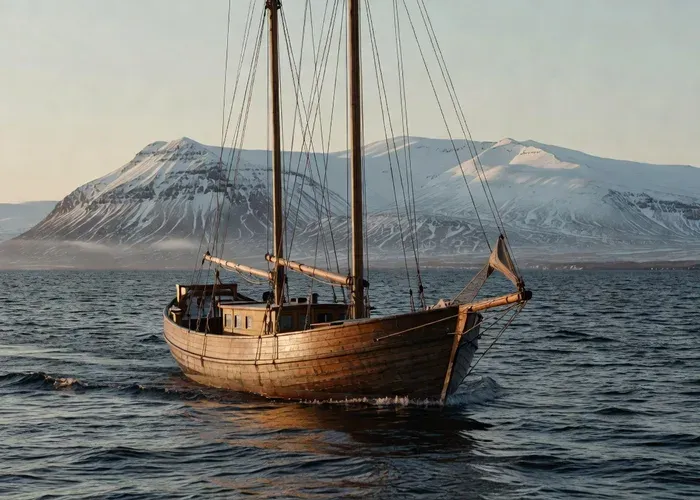
Cold and polar waters
Destinations: Húsavík whale watching and Reykjavík whale watching in Iceland; Tromsø whale watching and Andenes whale watching in Norway; Juneau whale watching in Alaska. Also: Kaikōura whale watching in winter, and Antarctic Peninsula cruises.
In cold-water destinations, being underprepared is genuinely dangerous, not just uncomfortable. Water temperatures run 2–8°C (36–46°F) in Icelandic and Norwegian waters in winter; wind chill on an open vessel at 20 knots can feel like −15°C or colder. Most reputable operators in these regions provide an exposure suit or survival suit to wear over your clothing — but you must dress warmly underneath it. Think of the exposure suit as an additional outer layer, not a replacement for layering.
- Full thermal base layer (expedition-weight merino or synthetic) — top and bottom
- Thick insulating mid-layer: heavy fleece or down jacket and trousers
- Waterproof windproof outer jacket with hood (or operator-provided exposure suit over all of the above)
- Warm hat covering the ears — wool or fleece, not a sun hat
- Insulated waterproof gloves or mittens
- Warm wool socks + waterproof boots if possible
- Neck gaiter or thin balaclava for Arctic conditions or winter Norway
Temperate and variable coasts
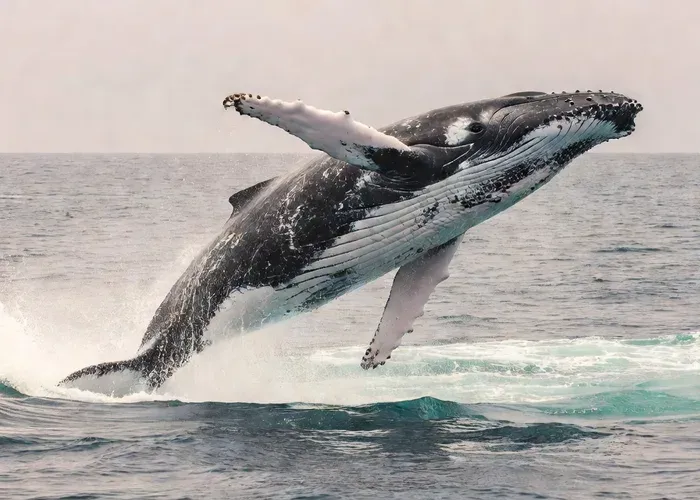
Destinations: Monterey Bay whale watching, San Francisco whale watching tours, San Diego whale watching; Seattle whale watching tours, Vancouver whale watching tours, and Victoria whale watching in the Pacific Northwest; Boston whale watching in New England; Sydney whale watching tours in Australia; Hermanus whale watching in South Africa; Puerto Madryn whale watching in Patagonia.
Temperate destinations are the trickiest to dress for precisely because conditions are variable and deceptive. San Francisco Bay looks sunny and mild on shore — then the fog rolls in and the temperature drops 8°C in 20 minutes. Monterey Bay in summer is technically warm enough for a T-shirt in the afternoon, but cold-water upwelling keeps the ocean surface significantly cooler than the shore. The full three-layer system — base, mid, outer — is the correct call for all temperate destinations in all seasons. You may strip the mid-layer if the sun comes out; you will want it back before the return trip.
- Moisture-wicking base layer (merino or synthetic) — top and bottom for cold shoulder seasons
- Fleece or light insulating mid-layer
- Waterproof outer jacket with hood — non-negotiable in Seattle, Vancouver, and the Pacific Northwest in general
- Long windproof quick-dry trousers
- Closed-toe non-slip shoes
- Beanie and sunglasses — you may legitimately need both in the same two-hour trip
- Reef-safe sunscreen — UV is strong even on overcast days at sea (reflected off the water surface)
Tropical and warm-water destinations
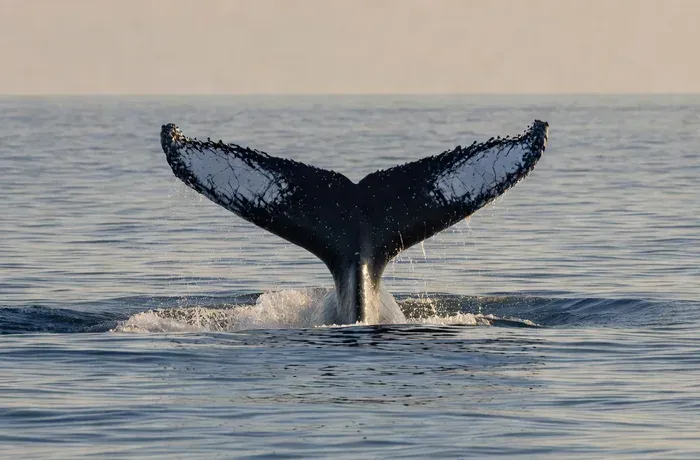
Destinations: Maui whale watching tours and all Hawaii islands; Tenerife whale watching and the Canary Islands; Madeira whale watching; Cabo San Lucas whale watching and Puerto Vallarta whale watching in Mexico; Samaná whale watching in the Dominican Republic; Sri Lanka whale watching tours and Mirissa whale watching; Dominica whale watching tours.
In tropical climates, sun protection replaces insulation as the primary concern. Water temperatures of 25–30°C mean being cold is not the main risk. But UV radiation at sea is significantly stronger than on land — it reflects off the water surface on top of the direct overhead exposure — and open ocean is not the same as the beach. A light wind layer is still worth packing: even at 30°C, 25 knots of warm wind feels noticeably cooler when the boat gets up to speed.
- Long-sleeve UPF 50+ sun shirt — protects from water-reflected UV as well as direct sun
- Lightweight shorts or quick-dry trousers
- Packable wind jacket or light windbreaker (fits in a pocket; keep it accessible)
- Wide-brimmed hat with a chin strap — the wind will take any unsecured hat instantly
- Reef-safe sunscreen SPF 50 (required or strongly requested by operators in Hawaii, the Caribbean, and marine-protected areas)
- Polarised sunglasses with a strap
- Closed-toe shoes — bare feet and sandals are dangerous on a wet moving deck
Climate zone comparison
| Climate zone | Example destinations | Water temp | Must-wear | Skip |
|---|---|---|---|---|
| Cold / polar | Iceland, Norway, Alaska, Antarctica | 2–10°C / 36–50°F | Thermal base + insulated mid + waterproof outer + hat + gloves; often exposure suit provided | Light layers, sandals, shorts, single unthermal hoodie |
| Temperate / variable | California, Pacific NW, New England, South Africa, Australia, Patagonia | 10–20°C / 50–68°F | Full 3-layer system; balance sun and wind protection; non-slip shoes | Jeans as only leg layer, cotton, open sandals |
| Tropical / warm | Hawaii, Canary Islands, Mexico, Caribbean, Sri Lanka | 22–30°C / 72–86°F | UPF shirt + light wind layer + reef-safe SPF + brimmed hat with strap | Heavy jacket, thermals; regular (non-reef-safe) sunscreen |
Adjust for the season
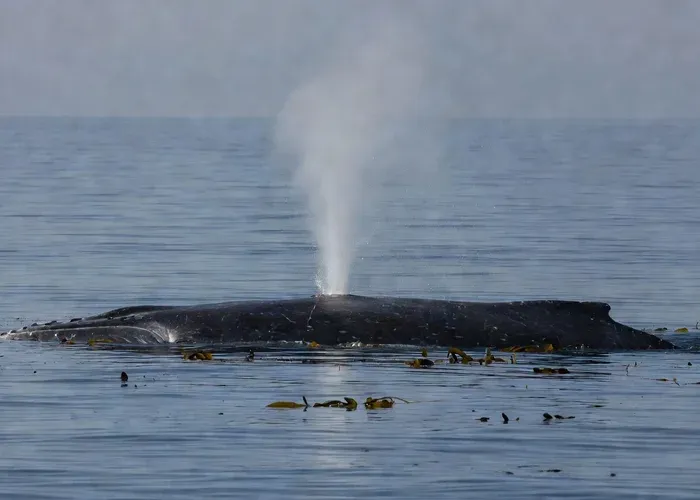
The same destination dresses differently in January and July. A Monterey Bay whale watching trip in December is significantly colder than one in August — even though humpbacks and blue whales appear in both months. The rule: early and late parts of a season run cooler than peak months; shoulder season is the most unpredictable.
Hemisphere matters too. June is summer in Iceland and Norway (bright long evenings, 15–20°C on the water), but June in Sydney or Hermanus is mid-winter — peak whale watching season, and cold conditions to match. If you're travelling to the southern hemisphere, reverse your seasonal assumptions entirely.
Our whale watching season calendar lists peak months by destination — use it to check whether your travel window is peak season, shoulder, or off-season, and adjust the weight of your layers accordingly.
It also depends on your boat — open vs covered
Same destination, same date, different boats: the correct clothing can differ significantly depending on whether you're on an open RIB or a covered catamaran. Check which type of vessel your tour uses before you pack.
| Open boat (RIB / Zodiac) | Covered vessel (catamaran / cabin cruiser) | |
|---|---|---|
| Wind exposure | Full — feels 10–15°C colder at speed with no shelter at all | Protected in the cabin; open upper deck still fully exposed |
| Spray | Guaranteed — budget for wet legs and feet on every trip | Occasional on the open upper deck only |
| What changes | Add one extra layer vs covered; secure everything that can blow away | Can shed outer layer inside the heated cabin; bring it back on deck |
| Best footwear | Rubber boots or waterproof shoes — spray will reach your feet | Non-slip closed-toe trainers or deck shoes are fine |
| Often provided | Floating exposure suit, life jacket | Life jacket only |
| Hat rule | Chin strap mandatory — 30-knot wind at speed removes any hat instantly | Hat with strap still recommended for time on the upper deck |
The most exhilarating whale watching experiences — high-speed RIB trips in the Pacific Northwest, Zodiac tours in Iceland, inflatable raft tours — are often those where you get closest to the animals. The physical exposure is part of what makes them extraordinary. Dress as if you expect to get wet and the experience will exceed your expectations.

Item-by-item — what to wear and why
Base layer and fabric choice
Your base layer is the most important piece of the system. It sits against your skin and its job is moisture management — moving sweat and sea spray away from your body so it can evaporate rather than sitting against you and cooling you down. The right fabric is merino wool or a synthetic (polyester, nylon). The wrong fabric is cotton — it absorbs moisture, holds onto it, and actively draws heat away from your body at exactly the moment you need warmth most. "Cotton kills" is an exaggeration for everyday wear; on the water in cold conditions, it is a real risk.
| Wear this | Not that |
|---|---|
| Merino wool long-sleeve base layer | Cotton T-shirt or long-sleeve hoodie |
| Synthetic base layer (polyester/nylon) | Jeans + cotton sweatshirt as base |
| Lightweight polyester leggings (cold water) | Thick cotton sweatpants |
Outer jacket
The single most critical item for the majority of destinations. Your outer jacket must block wind and deflect spray — the two conditions that cause discomfort fastest on the water. A waterproof hardshell (Gore-Tex or equivalent) does this best; a softshell with DWR (durable water repellent) treatment works for lighter conditions. The jacket must have a hood. Spray and rain blow horizontally on a moving boat, not straight down — a hood is not a nice-to-have, it is a basic functional requirement. A mid-length jacket that covers your lower back prevents the cold strip that forms when a jacket rides up at the stern rail.
| Wear this | Not that |
|---|---|
| Waterproof hardshell with fitted hood | Fashion jacket without hood |
| Softshell with DWR treatment | Fleece as outer layer (absorbs spray immediately) |
| Mid-length jacket covering lower back | Cropped jacket that leaves the lower back exposed |
Trousers and lower body
Long trousers are almost always the right call, even in summer and in mild climates. Wind and spray hit exposed legs continuously; even at 22°C, wet bare legs cooled by 20 knots of wind become uncomfortable fast. Quick-dry synthetic or softshell trousers are ideal. The denim question: jeans provide decent wind resistance when completely dry, but they absorb water and can take hours to dry. If your jeans get wet from spray — and spray is the norm on most whale watching boats — you will be cold for the rest of the trip. For cold destinations or open boats, lightweight waterproof over-trousers over leggings are the practical solution.
| Wear this | Not that |
|---|---|
| Quick-dry synthetic or softshell trousers | Jeans (absorb spray, slow to dry, cold when wet) |
| Waterproof over-trousers for open boats / cold climates | Linen trousers (absorb spray, billow in wind) |
| Leggings under a mid-layer trouser in cold weather | Shorts or skirts in temperate or cold water |
Footwear
Boat decks are wet and can be slippery, especially on smaller vessels and during boarding from floating docks. The two requirements are closed-toe (protects against rope, cleats, equipment, and deck edges) and a non-slip rubber sole (grips wet fibreglass or rubber decking). Deck shoes, rubber-soled trail shoes, or waterproof hiking boots all meet the criteria. Flip-flops and open sandals are genuinely hazardous on a moving boat — an open deck surface changes angle continuously, and open footwear provides no grip or protection. High heels are never appropriate on any marine vessel.
| Wear this | Not that |
|---|---|
| Non-slip closed-toe trail shoes or trainers | Flip-flops or open sandals |
| Waterproof hiking shoes or deck shoes | High heels or hard-soled dress shoes |
| Rubber boots for RIBs or cold/wet climates | Canvas sneakers (absorb water immediately) |
Headwear
Cold and temperate destinations: a close-fitting wool or fleece beanie is the most practical option. Hats retain a significant proportion of body heat — if you feel cold, put on a hat before reaching for another torso layer. Warm destinations: a wide-brimmed hat with a chin strap is essential for sun protection across a full morning on exposed water. Standard baseball caps blow off in wind; brimmed hats act like sails if unsecured. Whatever hat you choose, add a chin strap or hat retainer cord. On a moving boat, even a moderate breeze will remove most hats without one.
Gloves and neck gaiter
For cold and temperate destinations: waterproof insulated gloves or liner gloves are worth packing even if it does not feel cold on shore. Hands are exposed continuously on a boat — gripping the rail, holding binoculars — and lose heat faster than the body core. A neck gaiter adds meaningfully to warmth and packs to almost nothing. In warm climates, skip both. Exception: Monterey and San Francisco in summer can have surprisingly cold offshore conditions from cold-water upwelling — a lightweight glove liner is worth having.
Polarised sunglasses
Polarised lenses are genuinely useful on whale watching tours beyond basic eye protection. They cut the reflected glare off the water surface, making it significantly easier to spot spouts, flukes, and animals just below the surface. Any sunglasses will block UV; polarised ones actively improve whale-spotting ability. Fit a strap or retainer to keep them on your face at speed, and wear them even on overcast days — UV penetrates cloud and reflects strongly off water regardless of sunshine.
What else to pack beyond clothing
Protection
- Reef-safe sunscreen SPF 30–50
- Lip balm with SPF (lips burn fast on the water)
- Polarised sunglasses with strap
- Waterproof phone case or dry bag
Comfort
- Seasickness tablets or patches — take 30–60 min before boarding
- Ginger capsules or chews as a natural supplement
- Water bottle (salt air is dehydrating)
- A plain snack — crackers, energy bar (not a heavy greasy meal)
Gear
- Camera with zoom lens and wrist strap
- Binoculars 7×50 or 8×42 — spouts are visible at 2 km
- Small daypack or shoulder bag
- Spare memory card and fully charged battery
Seasickness and comfort tips
Seasickness affects a significant proportion of passengers on their first open-water trip — including people with no history of motion sickness. The rolling motion of the open ocean is a different stimulus to car or flight motion, and land-based experience does not predict susceptibility.
- Take medication before you board — not on the boat. Antihistamine-based tablets (dimenhydrinate, meclizine) and scopolamine patches need 30–60 minutes to take effect. Taking them after you already feel queasy on the water is far less effective. If you're prone to motion sickness, consider taking the medication the evening before as well as the morning of the tour.
- Ginger. Ginger capsules, ginger chews, or a cup of ginger tea taken one hour before boarding reduce nausea in many people. Mild intervention, but drug-free and worth adding if you're uncertain about your susceptibility.
- Acupressure wristbands (Sea-Bands). Pressure on the P6 point on the inner wrist has clinical evidence for reducing mild to moderate nausea. Drug-free, worth packing as a backup.
- Eat a light meal 1–2 hours before boarding. An empty stomach significantly worsens motion sickness. Eat something bland — crackers, toast, a piece of fruit. Not a heavy oily meal immediately before departure.
- Stay on deck and fix your gaze on the horizon. Below deck in a closed cabin is the worst place to be if you feel queasy. The horizon provides a fixed visual reference that your inner ear can sync to, significantly reducing symptoms. Fresh air helps too.
- Stand or sit amidships. The centre of the boat has the least movement. The bow rises and falls most dramatically; the stern is affected by engine vibration. If you begin to feel unwell, move to the middle deck rail.
- Stay warm. Cold makes seasickness considerably worse. Being warm and comfortable does not prevent it, but it removes one contributing factor — and it's the one factor entirely within your control.
Common mistakes to avoid
- Cotton against your skin. Forget the rule once and you will remember it for every subsequent trip. Wet cotton in a sea breeze feels like a cold compress pressed against your body.
- "It's sunny — I won't need a jacket." Even at 22°C on shore, the wind chill at 15–20 knots offshore is significant, and UV reflection off the water surface is also significant. You need both wind protection and sun protection simultaneously. These are not competing needs.
- Flip-flops or sandals. Boat decks are wet and slippery. Open-toe footwear provides no grip on wet fibreglass and leaves toes exposed to rope, cleats, and sharp deck hardware. This is a safety issue, not a comfort one.
- Unsecured hats. A baseball cap at 20+ knots goes overboard. Fit a strap before you arrive at the dock.
- Forgetting that offshore is always colder than shore. The temperature on the dock when you board is not the temperature you'll experience two miles out to sea. Pack for 5–8°C colder than shore conditions as a baseline assumption for any destination.
- Jeans. Acceptable on a large covered catamaran on a calm dry day. Genuinely miserable once wet from spray on an open boat or in a swell — denim holds moisture and does not dry in a 2–4 hour tour. Choose quick-dry trousers if there is any chance of spray or rain.
- Bulky items that do not pack small. Space on smaller whale watching boats is limited. Your outer layer should compress into a bag or backpack, not occupy a seat or block the aisle.
Frequently asked questions
Is whale watching cold?
⌄Do I need a waterproof jacket even in summer?
⌄What shoes should I wear whale watching?
⌄Can I wear jeans whale watching?
⌄What should I NOT wear whale watching?
⌄Do whale watching operators provide clothing or suits?
⌄How is dressing for Iceland different from dressing for Hawaii?
⌄The short version
Dress in layers. Get the base layer right — no cotton. Bring a waterproof jacket with a hood regardless of season or destination. Wear closed-toe non-slip shoes. Then calibrate your specific outfit using your climate zone (cold, temperate, or tropical), your season, and your boat type. The comparison tables above give you everything you need to make that call for any of the whale watching trips worldwide on this site.
The right clothing turns a whale watching tour from an exercise in endurance into an effortless experience. You stop thinking about being cold or wet, and start watching the horizon — which is exactly when the spout appears.